Peter Attia's Outlive Protocol
A Medicine 3.0 framework focused on the four horsemen of chronic disease, emphasizing zone 2 cardio, strength training, metabolic health, and early biomarker screening.
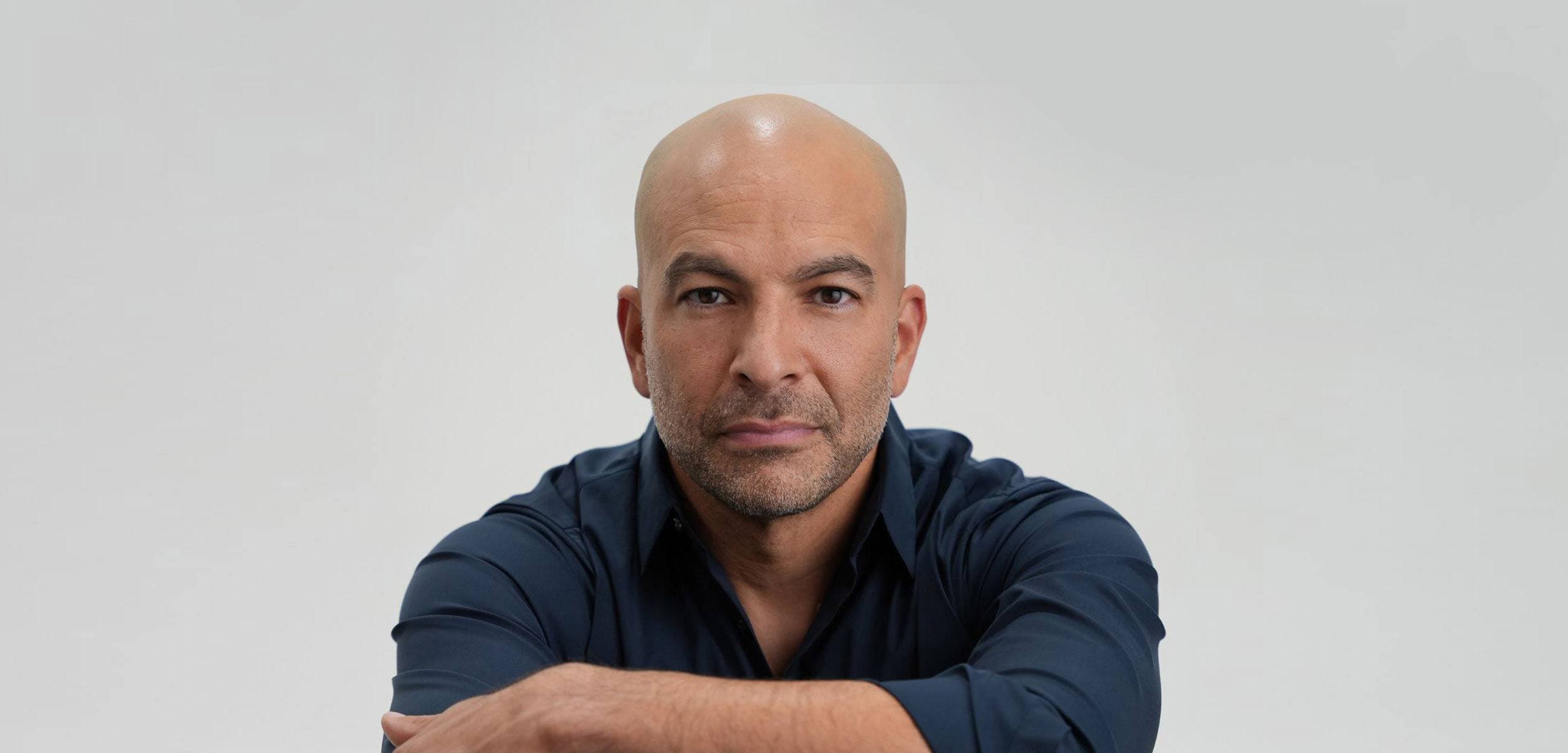
Peter Attia
Physician & Longevity Researcher
Peter Attia's approach to longevity is defined by a single, uncomfortable premise: modern medicine is failing at the diseases that actually kill people. A former surgeon trained at Johns Hopkins and Stanford, Attia left clinical practice to focus entirely on the science of extending not just lifespan but healthspan — the period of life spent in full physical and cognitive function. His book *Outlive: The Science and Art of Longevity* and his long-running podcast *The Drive* have made him one of the most influential voices in evidence-based longevity, known for a level of rigor that sets him apart from the broader wellness space.
Overview
Attia's framework, which he calls Medicine 3.0, is a philosophical shift away from reactive healthcare. Medicine 2.0, as he describes it, waits for disease to manifest and then intervenes with drugs or surgery. Medicine 3.0 treats aging itself as the underlying condition and focuses on prevention decades before symptoms appear. This is not about optimizing biomarkers for their own sake — it is about buying time against the specific diseases most likely to end your life or erode your quality of living.
What makes Attia's perspective unusual among longevity influencers is his skepticism. He is openly critical of unsubstantiated supplement stacks, unproven anti-aging therapies, and the tendency to confuse correlation with causation. His recommendations are narrow, deliberate, and grounded in mechanistic reasoning and clinical evidence. If he does not have sufficient data to support an intervention, he says so.
The Four Horsemen
Central to Attia's model is the concept of the four horsemen of chronic disease: cardiovascular disease, cancer, neurodegenerative disease, and metabolic dysfunction. These account for the vast majority of deaths in the developed world, and Attia argues that the conventional medical system addresses them far too late in their progression. Atherosclerosis, for instance, begins decades before a cardiac event, yet standard screening protocols often miss it until significant damage has occurred.
His strategy is to identify and mitigate risk for each of the four horsemen as early as possible. This means testing apolipoprotein B levels rather than relying solely on standard lipid panels, pursuing early cancer screening with methods like liquid biopsies and whole-body MRI, and monitoring metabolic markers that signal insulin resistance long before a diabetes diagnosis. The goal is not to treat disease but to intercept it.
Exercise as Medicine
If Attia's protocol has a single cornerstone, it is exercise — and he is emphatic that no drug, supplement, or dietary intervention comes close to its impact on longevity. He structures training around four pillars: zone 2 cardiovascular work, VO2 max training, strength, and stability.
Zone 2 cardio — sustained effort at a pace where you can just barely hold a conversation — forms the foundation. Attia recommends three to four hours per week, typically spread across four sessions. This intensity targets mitochondrial function and fat oxidation, and the data linking zone 2 capacity to all-cause mortality is among the strongest in exercise science.
VO2 max training, performed once or twice per week as high-intensity intervals, addresses the upper end of cardiovascular fitness. Attia frequently cites research showing that the difference in mortality risk between the lowest and highest VO2 max quintiles is larger than the risk associated with smoking or coronary artery disease. He considers improving VO2 max one of the highest-leverage interventions available.
Strength training focuses on maintaining muscle mass and functional capacity into the ninth and tenth decades of life. Attia emphasizes grip strength and the ability to perform movements like the deadlift, farmer's carry, and getting off the floor unassisted — practical markers that predict independence in old age. Stability work, often overlooked, addresses the joint mobility and balance that prevent falls, the leading cause of injury-related death in older adults.
Metabolic Health
Attia's approach to metabolic health is aggressive by conventional standards. He advocates for DEXA scans to measure body composition and visceral fat, continuous glucose monitoring to understand individual glycemic responses, and comprehensive blood panels that include apoB, fasting insulin, and inflammatory markers. He views metabolic dysfunction not as a distinct disease but as the shared root that accelerates all four horsemen.
His dietary recommendations are less prescriptive than many longevity protocols. He emphasizes adequate protein — roughly one gram per pound of body weight — to support muscle protein synthesis, and he adjusts carbohydrate and fat intake based on individual metabolic data rather than dogma. He has moved away from prolonged fasting protocols he once advocated, citing concerns about muscle loss that outweigh the metabolic benefits for most people.
Key Supplements
Attia's supplement list is notably restrained. He takes omega-3 fatty acids (EPA and DHA) at therapeutic doses for their cardiovascular and anti-inflammatory effects, supported by robust trial data. Vitamin D is dosed to maintain serum levels in an optimal range, typically confirmed through blood work. Magnesium, often in the form of magnesium L-threonate or bisglycinate, supports sleep quality and addresses a widespread dietary deficiency. Creatine monohydrate rounds out the core stack, with evidence for benefits in both muscle function and cognitive performance.
He is publicly skeptical of most other supplements, noting that the majority lack the quality of evidence he would require before recommending a pharmaceutical intervention. His position is that exercise and sleep deliver the largest returns, and supplementation should fill specific, documented gaps rather than serve as a hedge against uncertainty.
Sleep
Attia treats sleep as a non-negotiable pillar of longevity, on par with exercise. He targets eight hours per night and tracks sleep architecture using wearable devices. His sleep hygiene practices include a cool bedroom environment, consistent wake times, limited alcohol, and restricted caffeine intake to the early hours of the day. He frequently references the data linking poor sleep to accelerated cognitive decline, impaired glucose metabolism, and increased cardiovascular risk — reinforcing that sleep is not a luxury but a biological requirement that most people chronically undervalue.
Recommended Products
Omega-3 Fish Oil (High EPA)
supplements
Vitamin D3 (5000 IU)
supplements
Magnesium (Threonate/Glycinate)
supplements
Creatine Monohydrate
supplements
Electrolyte Mix
supplements
Vitamin C
supplements
Wild-Caught Salmon
foods
Whey Protein Isolate
supplements
Potassium Supplement
supplements
Glycine
supplements
Folate (Methylfolate 5-MTHF)
supplements
Zinc (Picolinate)
supplements
Calcium (1000mg)
supplements
Links may earn us a commission at no extra cost to you.
Compare Peter Attia With...
vs Layne Norton
5 shared products
vs Ben Greenfield
5 shared products

vs 钟南山 (Zhong Nanshan)
5 shared products

vs Dr. Brad Stanfield
4 shared products

vs Dr. Hiroki Shinkai
4 shared products
vs Marcos Vázquez
4 shared products

vs Rhonda Patrick
4 shared products
vs Anders Hansen
3 shared products
vs Dr. Carlos Jaramillo
3 shared products

vs Mark Hyman
3 shared products
vs Tim Ferriss
3 shared products
vs Dr. Rangan Chatterjee
3 shared products
vs Dave Asprey
2 shared products
vs Jason Fung
2 shared products
vs David Sinclair
2 shared products
vs Steven Gundry
2 shared products
vs Valter Longo
2 shared products
vs Andrew Huberman
1 shared product
vs Bryan Johnson
vs Dan Buettner
Get More Protocol Breakdowns
Weekly deep dives into longevity protocols, product reviews, and the latest research — delivered to your inbox.