David Sinclair's Lifespan Protocol
A genetics-informed anti-aging protocol centered on activating sirtuins and longevity genes through caloric restriction mimetics, NAD+ precursors, and targeted lifestyle interventions.
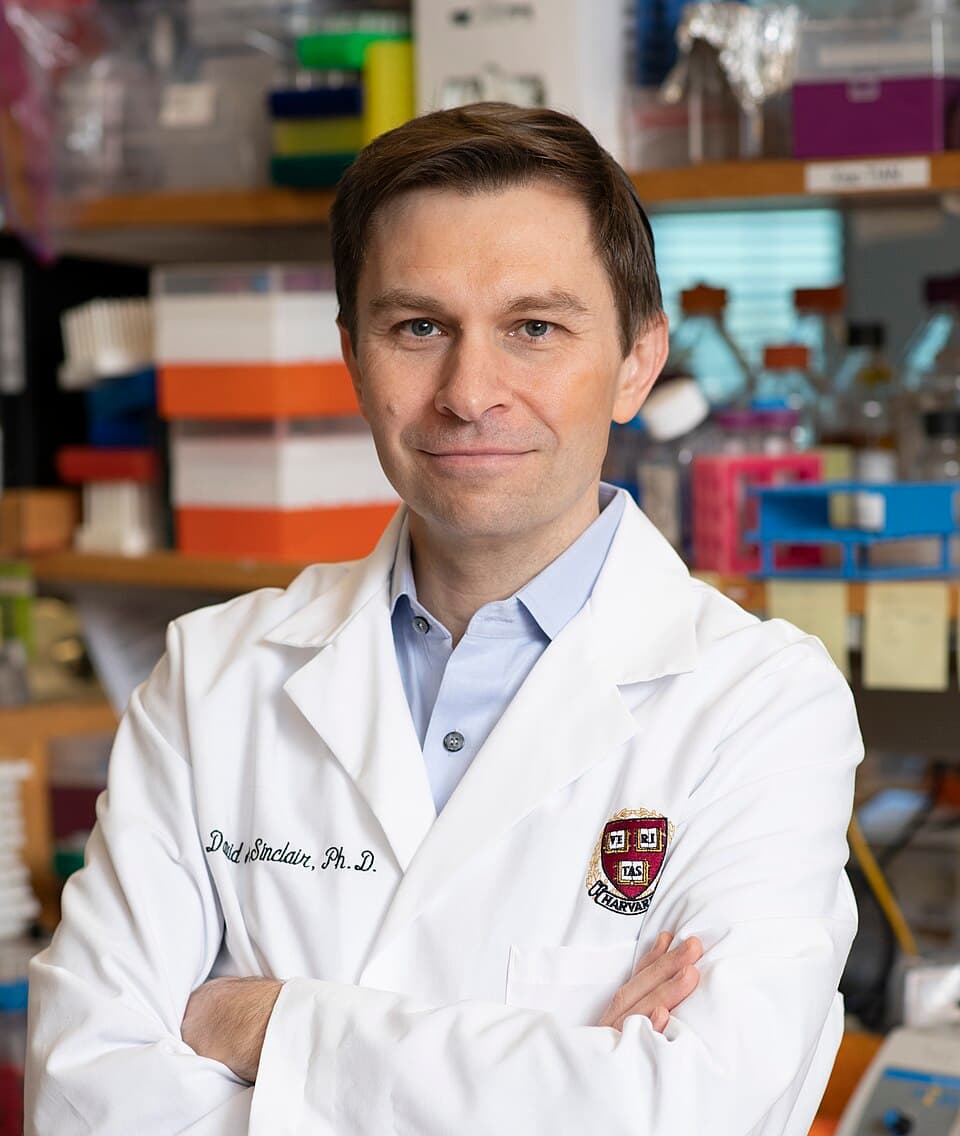
David Sinclair
Harvard Genetics Professor & Aging Researcher
David Sinclair's lifespan protocol is a genetics-informed framework for slowing and potentially reversing biological aging. Sinclair, a professor of genetics at Harvard Medical School and co-director of the Paul F. Glenn Center for Biology of Aging Research, has spent over two decades studying the molecular mechanisms of aging. His 2019 book, *Lifespan: Why We Age and Why We Don't Have To*, distills his research into a provocative thesis: aging is not an inevitable decline but a treatable disease rooted in the loss of biological information.
Overview
Sinclair's work sits at the intersection of molecular biology, epigenetics, and pharmacology. His laboratory has published influential research on sirtuins, NAD+ metabolism, and epigenetic reprogramming, contributing to a shift in how the scientific community conceptualizes aging. He is among the most publicly visible longevity researchers in the world, and also among the most debated — some peers have questioned whether his public claims outpace the evidence, particularly around specific supplement recommendations derived from his own research. This tension is worth acknowledging. Sinclair operates in a space where the line between researcher and advocate is unusually thin, and informed readers should weigh his recommendations alongside the broader literature.
That said, the foundational science behind his protocol — the role of NAD+ in cellular repair, the function of sirtuin proteins, the benefits of caloric restriction — draws on decades of research from multiple independent laboratories, not Sinclair's alone.
The Information Theory of Aging
The central thesis of Sinclair's work is what he calls the Information Theory of Aging. Unlike the traditional view that aging results from accumulated physical damage — mutations, oxidative stress, telomere shortening — Sinclair argues that the primary driver is a loss of epigenetic information. In his model, cells retain their genetic code but gradually lose the ability to read it correctly. The epigenome, which tells each cell which genes to express and which to silence, degrades over time in response to DNA breaks and environmental stressors. The result is cellular identity loss: a liver cell begins to express genes it should not, a neuron loses the precise regulation that defines its function.
This framework matters because it implies that aging is not irreversible damage but a software problem. If the underlying genetic code remains intact, restoring the correct epigenetic instructions could, in theory, reverse aging at the cellular level. Sinclair's lab has demonstrated this in mice using Yamanaka factors to reprogram aged cells, restoring youthful gene expression patterns. Human applications remain early-stage, but the conceptual model informs every element of his personal protocol.
NAD+ and Sirtuins
The most well-known component of Sinclair's protocol is NMN supplementation. Nicotinamide mononucleotide is a precursor to NAD+, a coenzyme essential to cellular energy production and DNA repair. NAD+ levels decline significantly with age, and Sinclair's research has shown that restoring NAD+ in aged mice activates sirtuin proteins — a family of enzymes that regulate DNA repair, inflammation, and mitochondrial function. SIRT1 through SIRT7 each play distinct roles, but collectively they act as a cellular maintenance system that becomes less effective as NAD+ drops.
Sinclair has publicly stated that he takes one gram of NMN each morning. He views NAD+ restoration as the most direct way to support sirtuin activity and, by extension, the epigenetic maintenance that his theory identifies as central to healthy aging. The human clinical evidence for NMN is growing but not yet definitive at the doses and durations Sinclair discusses, which is a point his critics reasonably raise.
Caloric Restriction and Fasting
Caloric restriction is the most robustly studied longevity intervention in animal models, and Sinclair incorporates it into his protocol through intermittent fasting and time-restricted eating. He typically skips breakfast and often one additional meal, compressing his eating window to create periods of mild metabolic stress. This approach activates AMPK and autophagy — cellular recycling pathways that clear damaged proteins and organelles — while also upregulating sirtuin activity.
Sinclair frames fasting not as deprivation but as a signal. When the body perceives scarcity, it shifts resources from growth and reproduction toward repair and survival. This "hormetic stress" response is a recurring theme across his protocol: controlled stressors that trigger protective biological pathways.
Resveratrol and Polyphenols
Sinclair takes one gram of resveratrol each morning, mixed into yogurt or combined with olive oil to improve absorption. Resveratrol, a polyphenol found in grape skins and red wine, was the subject of his early career-defining research showing that it activates SIRT1 in a manner that mimics caloric restriction. The compound's reputation has been uneven — early excitement was tempered by mixed clinical trial results and questions about bioavailability — but Sinclair maintains that when taken with a fat source, it remains a useful sirtuin activator.
Beyond resveratrol, his protocol emphasizes plant-based polyphenols more broadly. Extra virgin olive oil, rich in oleocanthal and hydroxytyrosol, provides anti-inflammatory polyphenols that Sinclair considers complementary to resveratrol. Green tea, particularly its catechin EGCG, offers additional sirtuin-supporting compounds. These are not exotic interventions — they align with dietary patterns, such as the Mediterranean diet, that have independent epidemiological support for longevity.
Key Supplements and Pharmaceutical Interests
Sinclair's publicly discussed supplement stack includes NMN at one gram in the morning, resveratrol at one gram with a fat source, vitamin D at a standard maintenance dose, and omega-3 fish oil for its anti-inflammatory properties. He has also discussed metformin, a diabetes drug that activates AMPK and has shown associations with reduced all-cause mortality in observational studies of diabetic patients. Sinclair took metformin for a period but has noted that he adjusted his use over time as new data emerged, particularly concerns about blunting exercise adaptations.
The pharmaceutical dimension of Sinclair's protocol is where controversy intensifies. He has financial interests in companies developing NAD+-boosting compounds and age-reversal technologies. This does not necessarily invalidate his science, but it does mean his supplement recommendations carry a disclosure that many purely academic researchers do not.
Cold and Heat Exposure
Sinclair has discussed cold exposure as an ancillary practice for activating brown adipose tissue and triggering metabolic stress responses. While not a centerpiece of his protocol in the way it is for some other longevity advocates, he views it as consistent with his broader hormesis framework — the idea that brief, controlled stressors prompt the body to mount protective responses that exceed what is needed for the immediate challenge, leaving the organism more resilient than before.
What Makes It Unique
Sinclair's protocol is distinguished by its theoretical coherence. Every recommendation traces back to a unified model of aging as information loss and sirtuin-mediated repair. This gives the framework an intellectual elegance that few competitor protocols match. It is also, fairly, the most scientifically contested — Sinclair makes strong claims, some of which are ahead of the clinical evidence in humans. For those who find his reasoning compelling, the protocol offers a specific, actionable set of interventions grounded in molecular biology. For skeptics, it serves as a useful case study in how cutting-edge research intersects with public health communication and commercial interests.
Recommended Products
NAD+ Precursor (NMN/NR)
supplements
Extra Virgin Olive Oil
foods
Vitamin D3 (5000 IU)
supplements
Omega-3 Fish Oil (High EPA)
supplements
Green Tea (Matcha)
foods
Quercetin
supplements
CoQ10 (Coenzyme Q10)
supplements
Spermidine
supplements
Vitamin K2 (MK-7)
supplements
Berberine
supplements
Turmeric / Curcumin
supplements
Vitamin C
supplements
Links may earn us a commission at no extra cost to you.
Compare David Sinclair With...
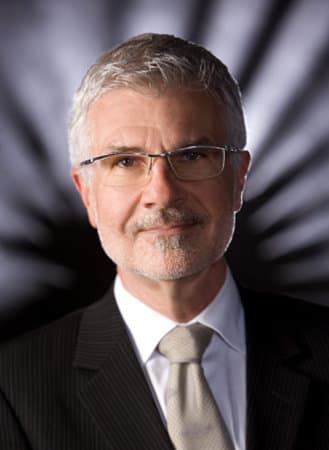
vs Steven Gundry
4 shared products

vs Mark Hyman
3 shared products

vs Rhonda Patrick
3 shared products

vs Tim Ferriss
3 shared products
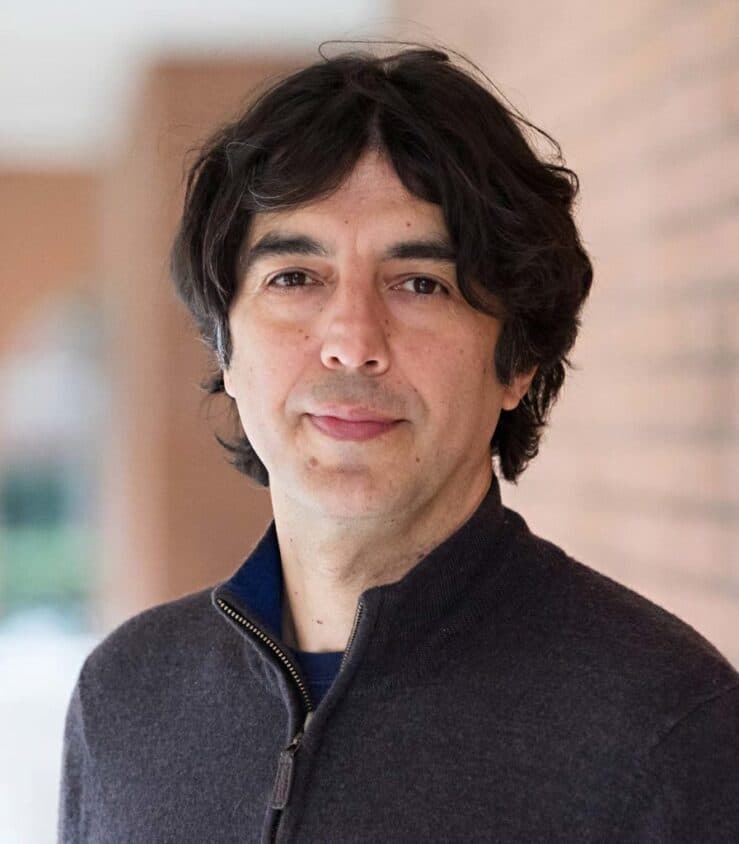
vs Valter Longo
3 shared products

vs Ben Greenfield
2 shared products
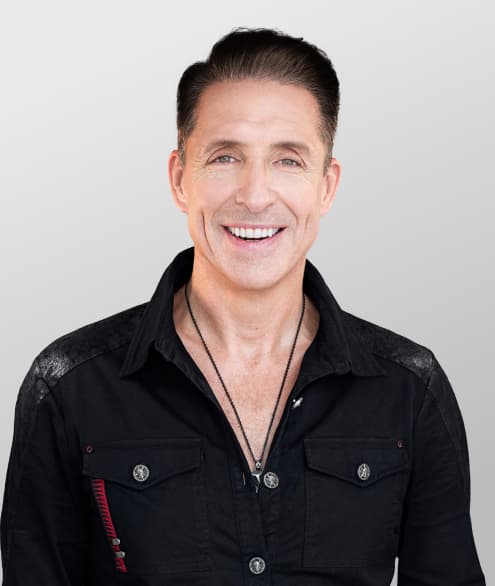
vs Dave Asprey
2 shared products
vs Peter Attia
2 shared products
vs Andrew Huberman
1 shared product
vs Bryan Johnson
1 shared product
vs Dan Buettner
1 shared product
Get More Protocol Breakdowns
Weekly deep dives into longevity protocols, product reviews, and the latest research — delivered to your inbox.