Valter Longo's Fasting-Mimicking Protocol
A research-backed fasting protocol centered on the fasting-mimicking diet (FMD), emphasizing periodic caloric restriction cycles to promote cellular regeneration and reduce biological age.
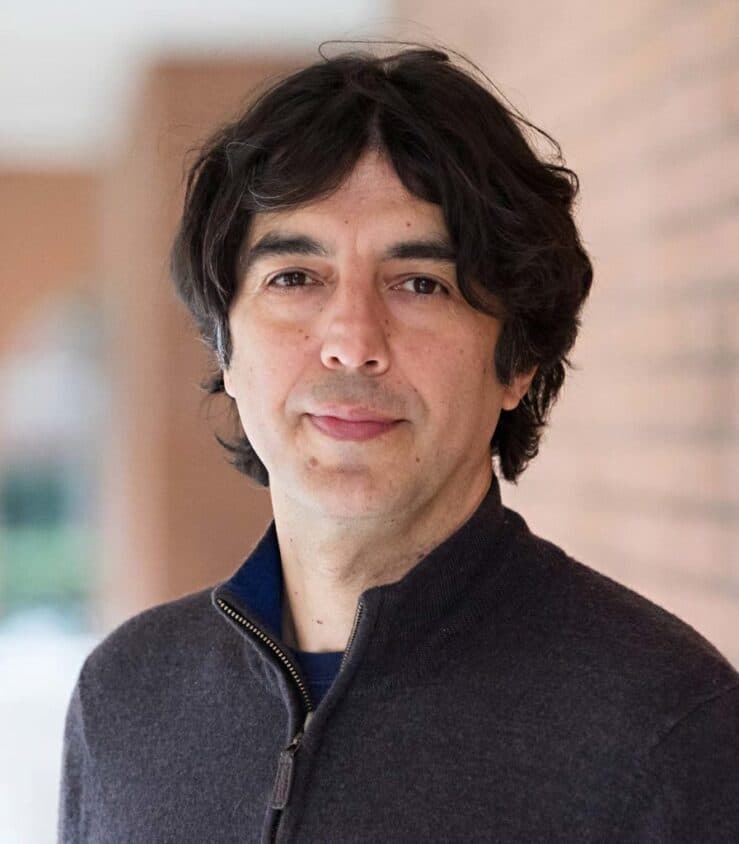
Valter Longo
Longevity Researcher & USC Professor
Valter Longo's fasting-mimicking protocol is among the most rigorously studied longevity interventions available today, distinguished by the fact that its core claims rest on decades of peer-reviewed research rather than personal anecdote or commercial interest. Longo, a professor of gerontology and biological sciences at the University of Southern California and director of the USC Longevity Institute, has spent more than thirty years studying the relationship between fasting, cellular repair, and aging. His protocol centers on a specific intervention — the fasting-mimicking diet — that allows the body to enter a fasted metabolic state while still consuming a carefully designed set of foods.
Overview
Longo's work began in model organisms — yeast, mice, and eventually humans — studying how periods of caloric restriction trigger protective cellular mechanisms. His research identified that fasting activates autophagy, the process by which cells break down and recycle damaged components, and promotes the regeneration of stem cells. The challenge was translating these findings into something practical. Extended water fasts produce these benefits but carry risks and are difficult for most people to sustain. The fasting-mimicking diet was Longo's solution: a protocol that achieves the metabolic signature of a multi-day fast while allowing the participant to eat specific foods in controlled quantities.
The Fasting-Mimicking Diet
The FMD is structured as a five-day cycle performed periodically — typically once per month for three consecutive months, then as needed based on individual health markers. During the five days, caloric intake drops to roughly 800 to 1,100 calories per day, composed primarily of plant-based soups, olives, herbal teas, nut bars, and supplements. The macronutrient composition is precisely calibrated: high in unsaturated fats, low in protein, and low in carbohydrates. This specific ratio is what keeps the body in a fasting-like state despite the food intake. Protein restriction is particularly important — Longo's research shows that elevated IGF-1, driven in part by high protein intake, is associated with accelerated aging and increased cancer risk.
ProLon, the commercial version of the FMD developed by L-Nutra (a company Longo helped found, though he donates his share of profits to research), provides pre-packaged meals for each day. The clinical trials supporting the FMD used this formulation, showing reductions in body weight, blood pressure, fasting glucose, IGF-1, C-reactive protein, and triglycerides in participants who completed three monthly cycles.
The Longevity Diet
Outside of FMD cycles, Longo recommends what he calls the Longevity Diet — a daily eating pattern informed by both his laboratory research and epidemiological studies of long-lived populations. The diet is largely pescatarian, emphasizing legumes, whole grains, vegetables, nuts, and olive oil as the primary fat source, with fish consumed two to three times per week. Protein intake is kept moderate, especially for adults under sixty-five, at roughly 0.31 to 0.36 grams per pound of body weight. After sixty-five, protein needs increase to counteract sarcopenia, and Longo adjusts his recommendations accordingly. Meals are consumed within an eleven-to-twelve-hour window, a mild form of time-restricted eating that aligns with circadian biology without the extremes of shorter fasting windows.
Key Supplements
Longo is notably conservative on supplementation, a stance that separates him from most figures in the longevity space. His position is that nutrients should come from food whenever possible, and that the supplement industry often creates solutions for problems that a well-designed diet already addresses. That said, he acknowledges three areas where supplementation is warranted. Omega-3 fatty acids from fish oil support cardiovascular and brain health, particularly for individuals who do not consume fish regularly. Vitamin D is recommended for those with insufficient sun exposure or documented deficiency — a category that includes most adults in temperate climates. Extra virgin olive oil, while technically a food, functions as a supplement in Longo's framework — he recommends three or more tablespoons daily for its polyphenol content and well-documented effects on cardiovascular risk markers. Beyond these, Longo advises caution and individualized testing rather than broad-spectrum supplementation.
Recommended Products
Omega-3 Fish Oil (High EPA)
supplements
Vitamin D3 (5000 IU)
supplements
Extra Virgin Olive Oil
foods
Green Tea (Matcha)
foods
Broccoli
foods
Dark Chocolate (85%+ Cacao)
foods
Wild-Caught Salmon
foods
Mixed Berries (Blueberries, Blackberries)
foods
Fermented Foods (Kimchi, Sauerkraut, Kefir)
foods
Electrolyte Mix
supplements
Links may earn us a commission at no extra cost to you.
Compare Valter Longo With...

vs Alberto Cormillot
7 shared products
vs Steven Gundry
3 shared products

vs David Sinclair
3 shared products

vs Ben Greenfield
2 shared products
vs Dave Asprey
2 shared products

vs Jason Fung
2 shared products

vs Mark Hyman
2 shared products
vs Peter Attia
2 shared products

vs Tim Ferriss
2 shared products
vs Rhonda Patrick
2 shared products
vs Dr. Yoshinori Nagumo
2 shared products
vs Andrew Huberman
1 shared product
vs Bryan Johnson
1 shared product

vs Dan Buettner
1 shared product
Get More Protocol Breakdowns
Weekly deep dives into longevity protocols, product reviews, and the latest research — delivered to your inbox.