Dr. Patricio Ochoa's Anti-Aging Protocol
A clinical anti-aging protocol combining bioidentical hormone optimization, NAD+ therapy, peptide protocols, targeted micronutrient supplementation, intermittent fasting, and resistance training from Mexico's leading longevity physician.
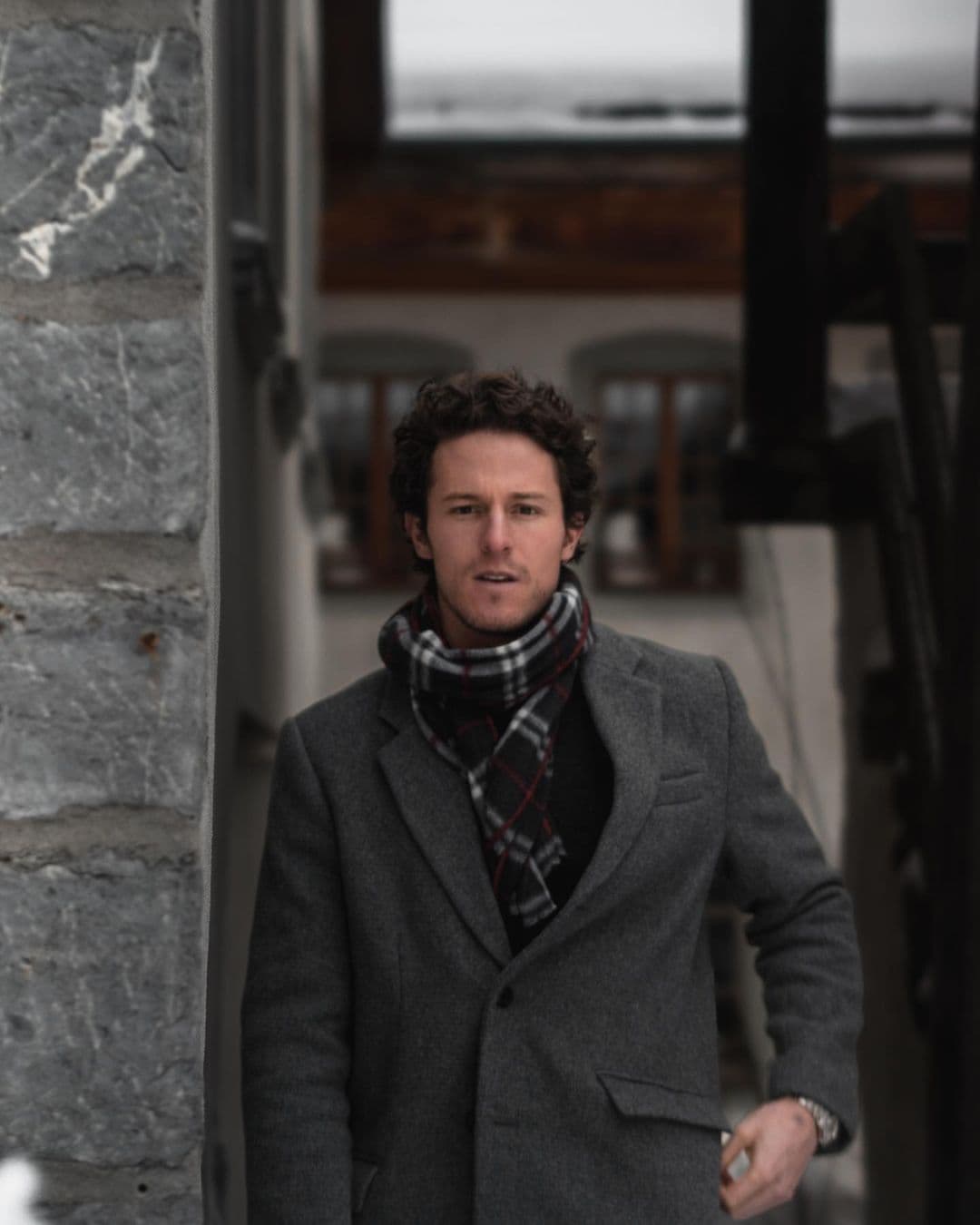
🇲🇽Patricio Ochoa
Anti-Aging & Functional Medicine Physician
Dr. Patricio Ochoa has established himself as Mexico's foremost voice in anti-aging and functional medicine, operating at the intersection of clinical longevity practice, biohacking culture, and the growing demand across Latin America for proactive, preventive healthcare that goes beyond conventional medicine's disease-management model. From his longevity clinic in Mexico, Ochoa treats a patient base that includes executives, entrepreneurs, and health-optimizers seeking comprehensive age-management programs built on advanced diagnostics, hormone optimization, and interventional therapies that remain less accessible or more heavily regulated in other countries.
Overview
Ochoa's protocol represents the clinical anti-aging medicine approach at its most comprehensive. Where lifestyle-focused longevity practitioners build their protocols around diet, exercise, and stress management, and where biohackers experiment with individual supplements and devices, Ochoa integrates all of these with physician-supervised hormonal optimization, intravenous therapies, peptide protocols, and advanced laboratory monitoring. His philosophy is that aging is a treatable medical condition characterized by measurable hormonal decline, mitochondrial dysfunction, accumulating cellular damage, and systemic inflammation — and that each of these drivers can be addressed through targeted clinical interventions.
This approach positions him differently from both the lifestyle-first camp and the self-experimentation culture. His protocols require medical supervision, comprehensive blood work, and ongoing monitoring. He is explicit that the interventions he prescribes are medical treatments, not wellness products, and that they carry both benefits and risks that must be managed by qualified physicians. At the same time, he combines these clinical interventions with foundational lifestyle practices — nutrition, exercise, sleep, stress management — arguing that the most sophisticated hormonal protocol in the world will underperform if layered on top of a sedentary lifestyle and a processed food diet.
Bioidentical Hormone Optimization
Hormone optimization is the cornerstone of Ochoa's clinical practice. He prescribes bioidentical hormones — compounds structurally identical to those produced by the human body — to restore hormonal levels that decline with age, arguing that this decline is not merely a natural consequence of aging but a driver of the aging process itself.
For men, testosterone replacement therapy is evaluated when symptoms of deficiency — fatigue, declining muscle mass, cognitive fog, reduced libido, increased visceral fat — are accompanied by blood work confirming levels below the optimal range. Ochoa targets physiological optimization rather than supraphysiological levels, monitoring total and free testosterone, estradiol, SHBG, PSA, and hematocrit to ensure safety. DHEA supplementation may be added as a precursor hormone supporting adrenal function, immune health, and overall vitality.
For women, he addresses the hormonal transitions of perimenopause and menopause with bioidentical estradiol, progesterone, and when indicated, low-dose testosterone. He argues that the medical establishment's retreat from hormone replacement therapy following the Women's Health Initiative study was an overcorrection that has left millions of women suffering unnecessarily, and that bioidentical hormones prescribed with proper monitoring represent a fundamentally different risk profile than the synthetic hormones used in that study.
Thyroid function is assessed comprehensively — including free T3, free T4, reverse T3, and thyroid antibodies — with optimization targeted at symptoms and functional markers rather than TSH alone. He frequently identifies subclinical thyroid dysfunction that conventional medicine overlooks but that significantly impacts energy, metabolism, cognitive function, and body composition.
NAD+ and Mitochondrial Support
Ochoa places significant emphasis on NAD+ (nicotinamide adenine dinucleotide) as a critical molecule in cellular energy production and aging. NAD+ levels decline substantially with age, and this decline is associated with mitochondrial dysfunction, impaired DNA repair, reduced sirtuin activity, and accelerated cellular aging. His protocol includes both intravenous NAD+ infusions for acute restoration and oral NAD+ precursors — primarily NMN (nicotinamide mononucleotide) or NR (nicotinamide riboside) — for ongoing maintenance.
He reports that patients undergoing NAD+ IV therapy frequently experience improvements in energy, mental clarity, exercise recovery, and overall vitality, though he acknowledges that large-scale clinical trials have not yet definitively established optimal dosing protocols or long-term outcomes. He frames NAD+ therapy as one of the most promising frontiers in clinical anti-aging medicine, warranting early adoption in a supervised clinical setting while awaiting more comprehensive evidence.
Peptide Protocols
Peptide therapy represents another pillar of Ochoa's clinical approach. He utilizes various peptide compounds depending on patient-specific goals and clinical assessment. Growth hormone secretagogues may be prescribed to support body composition, recovery, and tissue repair. BPC-157 and TB-500 are used for healing support in patients recovering from injury or surgery. Additional peptides may be prescribed for immune modulation, cognitive enhancement, or metabolic optimization.
He emphasizes that peptide therapy is a medical intervention requiring appropriate clinical oversight, not a supplement category to be self-administered based on internet protocols. Dosing, timing, and cycling are individualized based on laboratory monitoring and clinical response.
Targeted Supplementation
Ochoa's supplement stack is more extensive than lifestyle-focused practitioners but carefully targeted based on laboratory data rather than generic recommendations. Vitamin D is dosed to achieve blood levels between 60 and 80 ng/mL, a target he considers essential for immune function, bone health, and hormonal production. Omega-3 fatty acids at therapeutic doses (2-4 grams of combined EPA and DHA daily) address systemic inflammation and cardiovascular risk. Magnesium glycinate supports sleep, muscle function, and the hundreds of enzymatic reactions in which magnesium serves as a cofactor.
Creatine monohydrate is recommended at three to five grams daily, supported by extensive research demonstrating benefits for muscle strength, cognitive function, and cellular energy production — benefits he notes are particularly relevant in aging populations experiencing natural declines in creatine synthesis. Collagen peptides support skin elasticity, joint health, and connective tissue integrity. Vitamin C at higher than standard doses supports collagen synthesis, immune function, and serves as a cofactor for numerous enzymatic reactions. Zinc supports immune regulation, hormonal production, and wound healing.
Fasting and Exercise
Ochoa prescribes intermittent fasting as a standard component of his protocol, typically a sixteen-to-eight-hour pattern, citing evidence for improved insulin sensitivity, enhanced autophagy, and reduced inflammatory markers. He adjusts fasting recommendations based on individual metabolic profiles, hormonal status, and training demands.
Resistance training is non-negotiable in his protocol, with a minimum of three to four sessions per week emphasizing progressive overload and compound movements. He argues that muscle mass is the most undervalued longevity biomarker and that resistance training synergizes with his hormonal optimization protocols to produce outcomes neither intervention achieves alone. Cardiovascular training, mobility work, and recovery practices complete the exercise prescription.
What Makes It Unique
Dr. Patricio Ochoa's protocol is unique because it represents the full clinical expression of anti-aging medicine, integrating physician-supervised hormonal optimization, intravenous therapies, and peptide protocols with foundational lifestyle practices. Operating from Mexico, where regulatory frameworks differ from those in the United States and Europe, he is able to offer interventions that are less accessible in other markets — a fact that has made his clinic a destination for health-optimizers across Latin America and beyond. His approach fills a specific niche in the longevity landscape: for those who have already optimized their lifestyle foundations and are seeking the next level of clinical intervention, Ochoa provides a medically supervised framework that goes beyond what most practitioners offer.
Recommended Products
NAD+ Precursor (NMN/NR)
supplements
Vitamin D3 (5000 IU)
supplements
Omega-3 Fish Oil (High EPA)
supplements
Magnesium (Threonate/Glycinate)
supplements
Creatine Monohydrate
supplements
Collagen Peptides
supplements
Vitamin C
supplements
Zinc (Picolinate)
supplements
CoQ10 (Coenzyme Q10)
supplements
Spermidine
supplements
Glutathione (Liposomal)
supplements
Links may earn us a commission at no extra cost to you.
Compare Patricio Ochoa With...

Get More Protocol Breakdowns
Weekly deep dives into longevity protocols, product reviews, and the latest research — delivered to your inbox.