Dr. Jason Fung's Intermittent Fasting Protocol
A physician-developed fasting protocol focused on intermittent and extended fasting to lower insulin levels, reverse type 2 diabetes, and promote sustainable weight loss — emphasizing whole foods, natural fasting aids, and minimal supplementation.

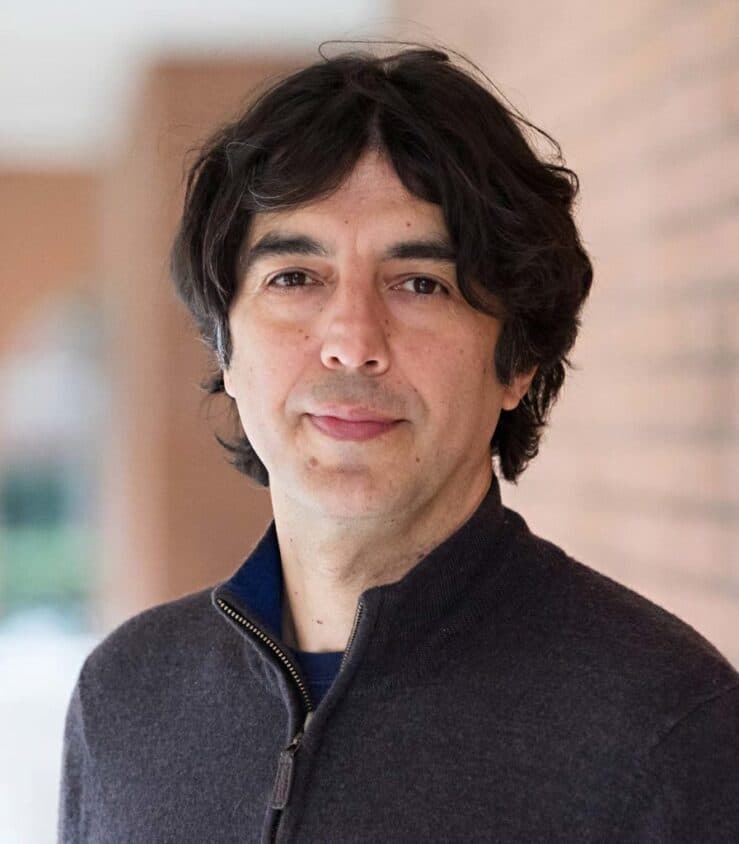
Dr. Jason Fung
Nephrologist & Bestselling Author of The Obesity Code
Dr. Jason Fung's fasting protocol is built on a single unifying idea: obesity and type 2 diabetes are diseases of excessive insulin, and the most effective way to lower insulin is to stop eating for defined periods. Fung, a Canadian nephrologist who trained at the University of Toronto and UCLA, arrived at this conclusion through his clinical work with kidney disease patients — many of whom had type 2 diabetes that conventional dietary advice was failing to control. His approach, outlined in The Obesity Code and The Diabetes Code, rejects calorie counting in favor of managing insulin through meal timing and food quality.
Overview
Fung's central argument is that weight gain is driven not by calories but by hormones — specifically insulin. When insulin is chronically elevated, the body is locked in fat-storage mode. Reducing calories without reducing insulin simply lowers metabolic rate, leading to the familiar pattern of initial weight loss followed by plateau and regain. Fasting, by contrast, produces sustained periods of low insulin that allow the body to access and burn stored fat. This hormonal model explains why some people can eat large amounts without gaining weight while others struggle despite restriction — the key variable is not how much they eat but how their food choices and meal timing affect insulin.
The Fasting Framework
Fung does not prescribe a single fasting schedule. Instead, he offers a spectrum of options and encourages patients to find what works for their lifestyle and goals. The protocols range from mild to aggressive:
**16:8 Intermittent Fasting** is the entry point — skip breakfast, eat within an eight-hour window, fast for sixteen hours. This is sustainable for most people and produces meaningful reductions in fasting insulin over weeks and months. Fung considers this the minimum effective dose for metabolic improvement.
**24-Hour Fasts** involve eating dinner one evening, then nothing until dinner the following day. Done two to three times per week, this protocol accelerates fat loss and insulin reduction compared to daily time-restricted eating. Many of Fung's clinical patients use this approach.
**36 to 42-Hour Fasts** — eating dinner, fasting through the entire next day, and eating breakfast or lunch on day three — represent a more aggressive intervention. Fung uses these with patients who have significant insulin resistance or type 2 diabetes that has not responded to shorter fasting periods.
**Extended Fasts** of three to seven days are reserved for specific clinical situations and should be done under medical supervision. Fung has documented cases of patients reversing longstanding type 2 diabetes with supervised extended fasts, reducing or eliminating insulin medication.
The critical principle across all these approaches is flexibility. Fung explicitly tells patients that if they feel unwell, they should eat. Fasting is a tool, not a punishment, and the protocol should be adjusted based on how the individual responds.
What to Consume During Fasts
Fung takes a practical rather than purist approach to what is allowed during fasting windows. The goal is to keep insulin low, not to consume zero calories:
**Water, black coffee, and green tea** form the foundation. Coffee and green tea contain caffeine, which increases metabolic rate and fat oxidation. Green tea's catechins (EGCG) may provide additional benefits for glucose metabolism — Fung has dedicated entire videos to green tea's role in weight loss. Both beverages suppress appetite without stimulating insulin.
**Bone broth** is one of Fung's most frequently recommended fasting aids. It provides electrolytes, collagen, and a small amount of protein that helps manage hunger during longer fasts. While it technically breaks a strict fast, Fung considers the trade-off worthwhile — a cup of bone broth that keeps someone fasting for 36 hours is far more beneficial than breaking the fast entirely at hour 20.
**Apple cider vinegar** in water is recommended to suppress hunger and aid digestion. Fung suggests one to two tablespoons diluted in water, noting that the increased acidity can stimulate gastric motility and reduce the bloating that some people experience when breaking a fast.
**Chia seeds** soaked in water form a gel that expands in the stomach, providing a sense of fullness with very high fiber and minimal insulin impact. Fung considers this a useful tool for what he calls a "fiber fast" — a modified fasting day where only very high-fiber foods are consumed.
**Cinnamon** added to coffee or tea may help with blood sugar regulation and does not stimulate insulin. Fung mentions it alongside turmeric as a protective spice with potential metabolic benefits.
The Eating Window: What to Eat
When the eating window arrives, Fung's dietary advice is straightforward and food-focused rather than supplement-heavy:
**Prioritize whole, unprocessed foods.** Eggs are a staple — among protein sources, they produce one of the lowest insulin responses. Salmon and other fatty fish provide omega-3 fatty acids and high-quality protein. Extra virgin olive oil is recommended as a primary cooking fat and dressing.
**Reduce refined carbohydrates.** Fung distinguishes sharply between "fast carbs" (white bread, sugar, processed grains) and "slow carbs" (legumes, vegetables, whole grains). The former spike blood sugar and insulin rapidly; the latter are packaged with fiber that slows absorption. The goal is not zero carbs but replacing refined carbohydrates with their unprocessed equivalents.
**Eat natural fats without fear.** Fung's reading of the evidence is that dietary fat — particularly from olive oil, nuts, avocados, and fatty fish — is protective against cardiovascular disease and does not drive insulin resistance. The low-fat dietary guidelines, in his view, backfired by replacing fat with sugar and refined carbohydrates.
**Include vinegar and protective spices.** Adding apple cider vinegar or lemon juice to meals may reduce the glycemic impact of carbohydrates. Cinnamon and turmeric appear in Fung's recommendations as spices with potential blood sugar benefits.
Supplements
Fung is notably conservative on supplementation — his philosophy is food-first, and he does not sell or endorse a supplement line. The few supplements he discusses are practical necessities for fasting:
**Electrolytes** — sodium, potassium, and magnesium — are the primary supplementation concern during extended fasts. As the body excretes more water during fasting, electrolytes are lost. Fung recommends supplementing if needed but emphasizes that the body's kidneys are remarkably good at conserving electrolytes, so supplementation is not mandatory for shorter fasts.
**Magnesium** receives particular attention. Fung has produced dedicated content on magnesium forms, noting that magnesium glycinate and magnesium citrate are better absorbed than magnesium oxide. Magnesium supports sleep quality, muscle function, and may help with the constipation that some people experience during fasting.
**Omega-3 fish oil** and **vitamin D** are mentioned as supplements that do not break a fast — they do not stimulate insulin and can be taken during fasting windows. Fung considers these reasonable for people who do not get adequate amounts from food and sunlight.
The Evidence Base
Fung's protocol draws on a combination of clinical experience and published research. His Intensive Dietary Management clinic in Toronto has treated thousands of patients with type 2 diabetes and obesity using therapeutic fasting. Published case series from his clinic have documented patients discontinuing insulin therapy after adopting fasting protocols — outcomes that are rare with conventional dietary advice.
The broader scientific literature supports the hormonal model underlying his approach. Studies on intermittent fasting consistently show improvements in insulin sensitivity, fasting glucose, and inflammatory markers. Research on time-restricted eating demonstrates metabolic benefits independent of calorie reduction. And the epidemiological data on traditional eating patterns — including the observation that many cultures historically ate one or two meals per day rather than the modern three meals plus snacks — aligns with Fung's argument that constant eating is a recent anomaly that our physiology is poorly adapted to.
Who This Protocol Is For
Fung's approach is particularly well-suited for individuals dealing with insulin resistance, prediabetes, type 2 diabetes, or weight loss resistance despite caloric restriction. His framework explains why traditional dieting often fails and provides a mechanistically coherent alternative. The protocol's flexibility — from mild 16:8 fasting to supervised extended fasts — means it can be adapted to virtually any starting point, though anyone with a medical condition should work with their physician when implementing fasting.
Recommended Products
Black Coffee
foods
Green Tea (Matcha)
foods
Bone Broth
foods
Electrolyte Mix
supplements
Magnesium (Threonate/Glycinate)
supplements
Apple Cider Vinegar
foods
Chia Seeds
foods
Pasture-Raised Eggs
foods
Extra Virgin Olive Oil
foods
Omega-3 Fish Oil (High EPA)
supplements
Wild-Caught Salmon
foods
Ceylon Cinnamon
foods
Turmeric / Curcumin
supplements
Vitamin D3 (5000 IU)
supplements
Links may earn us a commission at no extra cost to you.
Compare Dr. Jason Fung With...





Get More Protocol Breakdowns
Weekly deep dives into longevity protocols, product reviews, and the latest research — delivered to your inbox.