Dr. Yoshinori Nagumo's One-Meal-a-Day Protocol
A radical one-meal-a-day longevity protocol rooted in Japanese dietary traditions, designed to activate sirtuin genes and promote cellular rejuvenation through daily extended fasting.
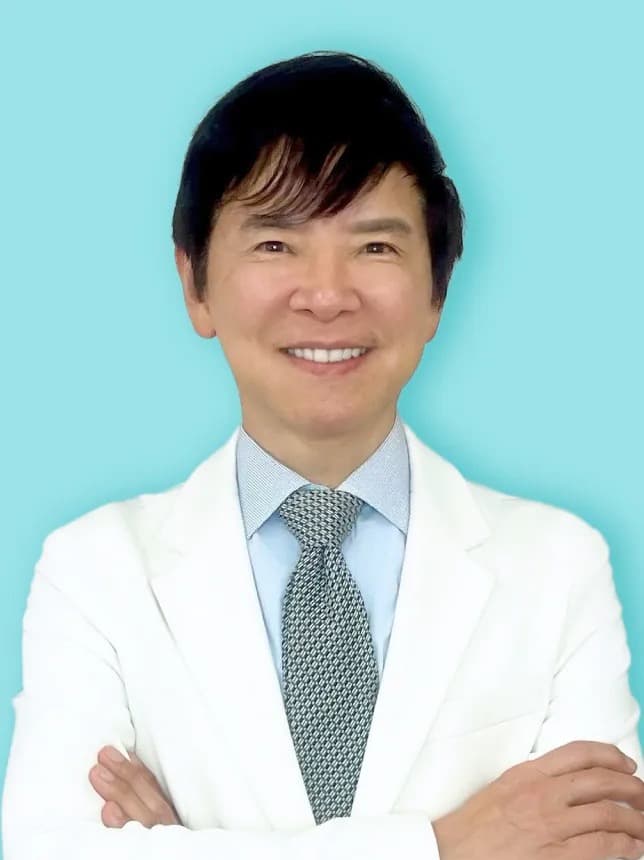
🇯🇵Yoshinori Nagumo
Surgeon & Anti-Aging Medicine Author
Yoshinori Nagumo is a practicing surgeon, medical professor, and one of Japan's most recognized voices on anti-aging medicine — and he eats one meal per day. At an age when most physicians have settled into comfortable routines, Nagumo maintains the physique and biomarkers of a man decades younger, a fact he attributes directly to his one-meal-a-day lifestyle. His bestselling books, including *You Can Be Beautiful by Eating Less* and *The One-Meal-a-Day Lifestyle*, have sold millions of copies across Japan and East Asia, popularizing a practice that challenges nearly everything conventional nutrition teaches about meal frequency and caloric intake.
Overview
Nagumo's protocol is built on the premise that the human body was never designed for three meals per day — much less the constant grazing pattern that modern dietary advice encourages. Throughout most of human evolutionary history, he argues, food was scarce and intermittent. The body's most powerful repair and rejuvenation mechanisms activate not when it is fed but when it is in a state of hunger. By eating a single well-composed meal each day, Nagumo believes individuals can tap into these ancient survival pathways and dramatically slow the aging process.
His approach is rooted in both Western biochemistry and Japanese longevity traditions. Japan has the highest life expectancy in the world and the greatest concentration of centenarians, particularly in Okinawa. Nagumo observes that traditional Japanese dietary culture emphasized moderation — the Okinawan principle of *hara hachi bu*, eating until only eighty percent full — and argues that his one-meal protocol is simply the logical extension of this ancestral wisdom, supported by modern science on caloric restriction, autophagy, and sirtuin activation.
The OMAD Structure
Nagumo's daily structure is straightforward. He consumes a single meal, typically dinner, and fasts for the remaining twenty-three hours. During the fasting window, he drinks water and green tea but consumes no calories. There are no snacks, no bulletproof coffee, no caloric supplements — nothing that would interrupt the fasted state and the cascade of cellular repair processes it triggers.
The single meal itself is substantial and nutritionally dense, composed of traditional Japanese foods: grilled fish (particularly salmon and other fatty fish), vegetables, miso soup with seaweed, fermented foods such as natto and pickled vegetables, rice in moderate portions, and green tea. Nagumo emphasizes eating whole foods in their complete form — whole fish including the skin and bones when possible, whole vegetables including stems and leaves, whole grains rather than polished rice. He refers to this as "whole-body eating," drawing on the Japanese concept that consuming the entire organism provides a complete nutritional profile that isolated fillets or processed ingredients cannot match.
The Starvation Gene
Central to Nagumo's theoretical framework is what he calls the "starvation gene" — his shorthand for the sirtuin family of genes, particularly SIRT1. Sirtuins are a class of proteins involved in cellular stress resistance, DNA repair, mitochondrial function, and inflammation regulation. Research has demonstrated that sirtuins are activated by caloric restriction and fasting, and that their activity declines with age and overfeeding.
Nagumo argues that the modern pattern of constant eating keeps sirtuin genes effectively dormant. By subjecting the body to a daily period of genuine hunger — not a mild twelve-hour overnight fast, but a sustained twenty-three-hour period without calories — these genes are reactivated, triggering a cascade of protective effects: enhanced autophagy, improved mitochondrial efficiency, reduced oxidative stress, and increased production of adiponectin, a hormone associated with insulin sensitivity and reduced inflammation. He frames this not as deprivation but as unlocking the body's innate capacity for self-repair.
Cold Exposure and Sleep
Nagumo's protocol extends beyond diet into two additional pillars: cold exposure and early sleep. He advocates for cold showers and avoiding excessive heating, arguing that mild cold stress activates brown adipose tissue and stimulates the production of irisin, a hormone linked to fat metabolism and cognitive function. Cold exposure, in his model, works synergistically with fasting to amplify the body's adaptive stress responses.
Sleep is treated with equal seriousness. Nagumo recommends going to bed early — ideally by ten at night — and rising with the sun. He emphasizes the importance of the early nighttime hours for growth hormone secretion and melatonin production, both of which peak during the first phase of deep sleep. He views late-night eating, screen exposure, and irregular sleep schedules as direct accelerators of aging, disrupting the circadian rhythms that coordinate virtually every metabolic and repair process in the body.
Key Foods and Supplements
Nagumo's approach to supplementation reflects his broader philosophy of whole-food nutrition. Green tea is consumed throughout the day during the fasting window — both for its catechin content, which supports fat oxidation and provides antioxidant protection, and for its role in Japanese cultural practice. Fermented foods, particularly natto, miso, and traditionally prepared pickles, are central components of the daily meal, providing beneficial bacteria and enzymes that support digestion and gut health.
Omega-3 fatty acids are obtained primarily through regular consumption of fatty fish such as salmon, mackerel, and sardines, though Nagumo acknowledges fish oil supplementation as a reasonable option for those who cannot access quality fresh fish. Vitamin D supplementation is recommended during winter months or for individuals with limited sun exposure, consistent with the high rates of deficiency documented even in Japan. Salmon, consumed multiple times per week as part of the single daily meal, serves as a cornerstone protein source — providing omega-3s, astaxanthin, and high-quality protein in a form Nagumo considers ideal for the OMAD framework.
What Makes It Unique
Nagumo's protocol occupies a distinctive position in the longevity landscape. While intermittent fasting has become mainstream, few practitioners advocate for or personally sustain a true one-meal-a-day practice over decades. His protocol is also notable for its cultural grounding — rather than presenting OMAD as a novel biohack, he frames it as a return to the dietary restraint that characterized Japanese longevity traditions for centuries. The result is a protocol that is simultaneously radical in its simplicity and deeply rooted in the lived experience of the world's longest-lived population. For those drawn to minimalism and willing to tolerate a significant adjustment period, Nagumo offers a compelling case that eating less — far less — may be the most powerful anti-aging intervention available.
Recommended Products
Green Tea (Matcha)
foods
Fermented Foods (Kimchi, Sauerkraut, Kefir)
foods
Omega-3 Fish Oil (High EPA)
supplements
Vitamin D3 (5000 IU)
supplements
Wild-Caught Salmon
foods
Extra Virgin Olive Oil
foods
Mixed Berries (Blueberries, Blackberries)
foods
Dark Chocolate (85%+ Cacao)
foods
Turmeric / Curcumin
supplements
Broccoli
foods
Links may earn us a commission at no extra cost to you.
Compare Yoshinori Nagumo With...


Get More Protocol Breakdowns
Weekly deep dives into longevity protocols, product reviews, and the latest research — delivered to your inbox.