Wim Hof's Cold Exposure & Breathwork Protocol
A three-component protocol combining progressive cold exposure, cyclic hyperventilation breathing, and focused meditation to strengthen the immune system, reduce inflammation, and build mental resilience.
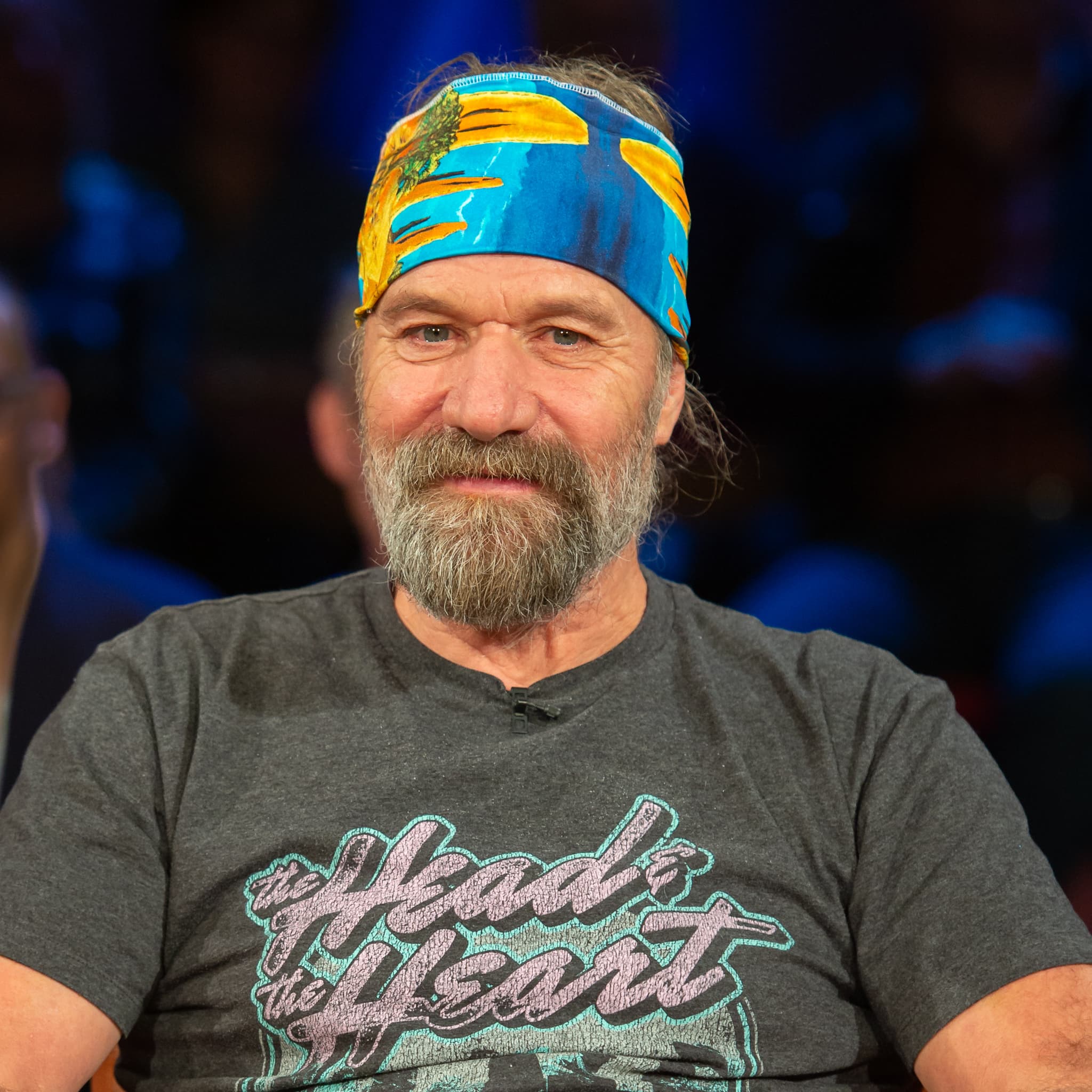
🇳🇱Wim Hof
Cold Exposure Pioneer & 'The Iceman'
Wim Hof, known worldwide as "The Iceman," has spent decades demonstrating that the human body is capable of far more than conventional medicine assumed. The Dutch extreme athlete holds twenty-six Guinness World Records, including the longest ice bath endurance, running a half-marathon above the Arctic Circle barefoot, and climbing Mount Kilimanjaro in shorts. But what transformed Hof from a curiosity into a legitimate figure in health science was a landmark 2014 study at Radboud University Medical Center in the Netherlands, which demonstrated that practitioners of his method could voluntarily influence their autonomic nervous system and immune response — something previously considered impossible.
Overview
The Wim Hof Method (WHM) rests on three interconnected pillars: cold exposure, breathing exercises, and commitment (a form of focused meditation). Hof developed the method through decades of personal experimentation, driven initially by an instinctive draw to cold water and later refined through his own understanding of how breath and cold interact to shift physiological states. The protocol is deliberately simple in structure, requiring no equipment or supplements, but demands consistent practice and progressive challenge.
The method's central claim — that humans can consciously influence their innate immune system — was validated in the Radboud study led by Dr. Matthijs Kox. Twelve trained WHM practitioners were injected with bacterial endotoxin (a component that normally triggers flu-like symptoms) and demonstrated significantly higher levels of anti-inflammatory mediators and fewer symptoms compared to the control group. The study, published in the Proceedings of the National Academy of Sciences, marked the first time voluntary immune system modulation was demonstrated in a controlled scientific setting.
Cold Exposure Protocol
The cold exposure component follows a progressive model. Beginners start with cold showers — the final thirty seconds of a warm shower turned to cold. Over weeks, the cold duration extends and the warm-up period shortens until the practitioner is taking fully cold showers lasting two to three minutes. The next stage involves ice baths, beginning with water temperatures around fifteen degrees Celsius and gradually reducing to near freezing over months of adaptation.
Hof emphasizes that cold exposure should never involve force or panic. The key is controlled, calm breathing while the cold stimulus activates the sympathetic nervous system. This repeated exposure trains the vascular system through vasoconstriction and vasodilation cycles, which Hof likens to exercise for the cardiovascular system. Research supports cold exposure benefits including reduced inflammation, improved circulation, elevated mood through norepinephrine release, enhanced brown fat activation and thermogenesis, and improved stress tolerance.
The cold exposure is not about toughness or pain endurance. Hof repeatedly stresses that the practice should be approached with gradual progression and respect for individual limits. Hypothermia risks are real, and practitioners are advised never to practice cold water immersion alone or in open water without experience.
Breathing Technique
The WHM breathing exercise is a controlled hyperventilation protocol performed in a safe, seated or lying position. The basic cycle consists of thirty to forty deep breaths — full inhalations through the nose or mouth followed by relaxed, passive exhalations. After the final exhalation, the practitioner holds the breath on empty lungs for as long as comfortable, which can range from one to three minutes with practice. The cycle concludes with a recovery breath — a deep inhalation held for fifteen seconds. This constitutes one round, and practitioners typically perform three to four rounds per session.
The physiological mechanism involves shifting blood pH through the reduction of carbon dioxide, which temporarily increases blood alkalinity. This creates a cascade of effects including tingling sensations, lightheadedness, and a measurable shift in autonomic nervous system activity. The breath retention on empty lungs triggers a controlled stress response that, when practiced repeatedly, appears to improve the body's ability to manage physiological stress.
Research has shown that the breathing technique increases epinephrine (adrenaline) production, which in turn modulates immune cell activity. This is the mechanism behind the immune modulation observed in the Radboud study. The breathing also appears to influence the body's pain response, with practitioners reporting increased cold tolerance and reduced perception of discomfort during cold exposure.
Commitment and Meditation
The third pillar — commitment, or what Hof sometimes calls meditation — is the least formalized but arguably the most important. It refers to the mental focus and determination required to stay calm and present during cold exposure and breath holds. Hof describes it as the conscious decision to override the body's instinctive panic response and instead choose calm, focused awareness.
This component draws on visualization and intention-setting practices. Before entering cold water, practitioners are encouraged to set a clear intention, focus on the breath, and maintain a mental state of acceptance rather than resistance. Hof credits this mental component as the binding element that makes cold exposure and breathwork more than just physical stressors — it transforms them into a practice of self-mastery.
Daily Practice Structure
A typical WHM daily practice takes twenty to thirty minutes. Practitioners begin with the breathing exercise upon waking — three to four rounds performed in a comfortable position before getting out of bed. This is followed by a cold shower, starting with warm water for hygiene and finishing with one to three minutes of cold. More advanced practitioners may add a dedicated ice bath session two to three times per week, lasting two to ten minutes depending on water temperature and experience level.
Hof recommends practicing the breathing on an empty stomach and never in water, as the lightheadedness from hyperventilation can cause loss of consciousness. Evening practice is discouraged for the breathing component, as the sympathetic activation can interfere with sleep, though gentle cold exposure in the evening can paradoxically improve sleep by triggering a rebound parasympathetic response.
What Makes It Unique
The Wim Hof Method occupies a distinctive position in the longevity and wellness landscape because it requires no products, no supplements, and no equipment beyond access to cold water. Its power lies in leveraging the body's own stress response systems to build resilience, reduce chronic inflammation, and strengthen immune function. The scientific validation from Radboud University and subsequent studies at Wayne State University — which used brain imaging to investigate how Hof regulates his core body temperature — provide a credibility that few mind-body practices can claim.
The method's accessibility is both its greatest strength and its primary risk. Anyone with a shower can begin, but the simplicity of the tools belies the physiological intensity of the practice. When practiced progressively and responsibly, the WHM offers a compelling, zero-cost intervention for inflammation, mental health, stress resilience, and cardiovascular conditioning — making it one of the most democratically available longevity protocols in existence.
Recommended Products
Vitamin D3 (5000 IU)
supplements
Omega-3 Fish Oil (High EPA)
supplements
Magnesium (Threonate/Glycinate)
supplements
Green Tea (Matcha)
foods
Turmeric / Curcumin
supplements
Ashwagandha (KSM-66)
supplements
Electrolyte Mix
supplements
Vitamin C
supplements
Links may earn us a commission at no extra cost to you.
Compare Wim Hof With...


Get More Protocol Breakdowns
Weekly deep dives into longevity protocols, product reviews, and the latest research — delivered to your inbox.