Tim Ferriss's Optimization Protocol
A self-experimentation-driven protocol focused on minimum effective dose interventions, the slow-carb diet, cold exposure, and systematic tracking of health biomarkers.
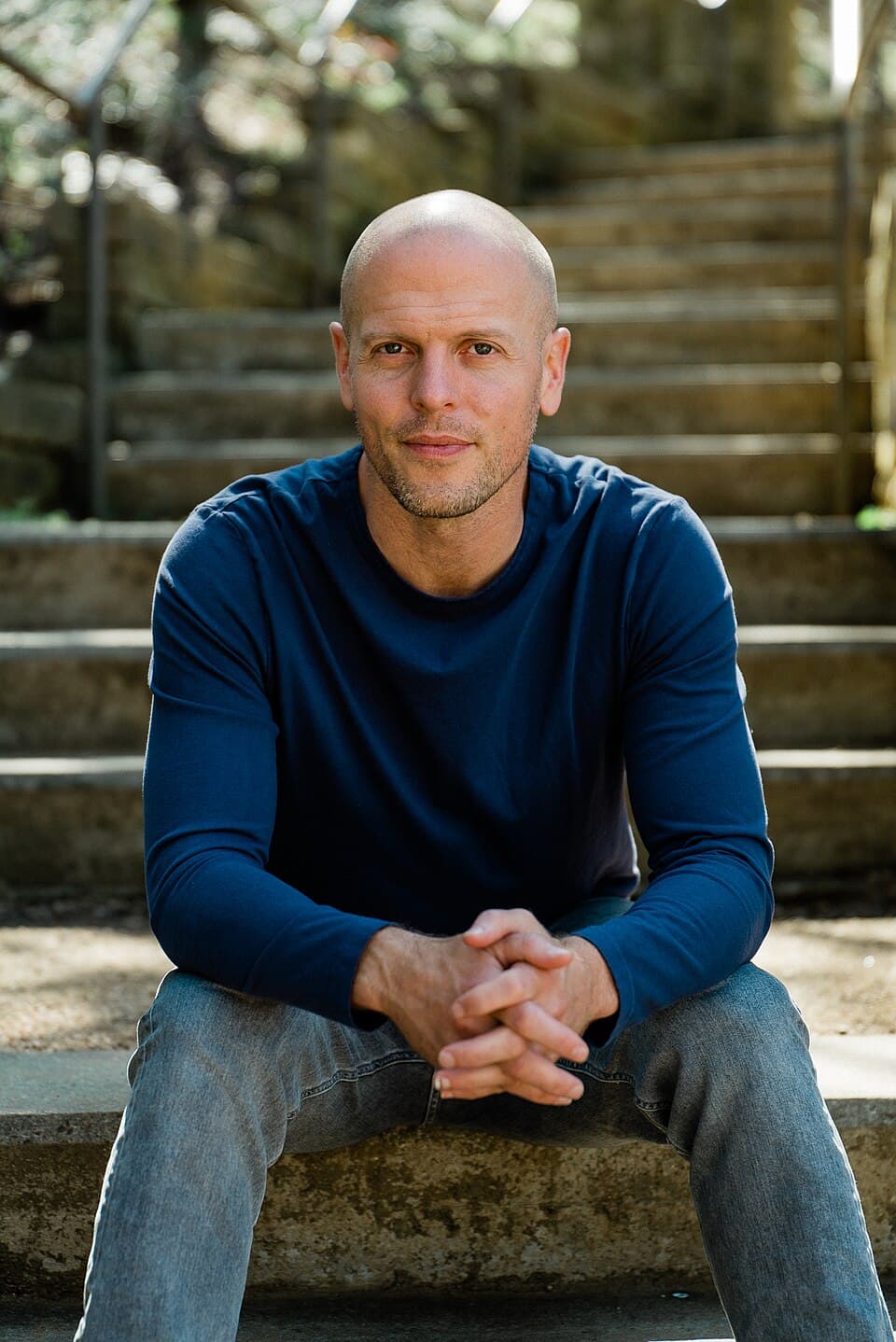
Tim Ferriss
Author & Self-Experimenter
Tim Ferriss's optimization protocol is built on a single operating principle: find the minimum effective dose — the smallest intervention that produces the desired outcome — and discard everything else. Ferriss, best known as the author of "The 4-Hour Body" and host of "The Tim Ferriss Show" podcast, has spent over fifteen years systematically testing health interventions on himself and documenting the results with unusual transparency. His approach is less a fixed protocol than a methodology for self-experimentation, and the specific recommendations he makes are the distilled output of hundreds of trials, blood tests, and conversations with world-class athletes, physicians, and researchers.
Overview
Ferriss came to health optimization through a characteristically unconventional path. After building his career around deconstructing complex skills into learnable systems — a method he applied to languages, business, and cooking — he turned the same analytical framework toward the human body. The result was "The 4-Hour Body," a book that treated physiology as a series of problems to be solved through controlled experimentation. Ferriss is explicit about his intellectual debts: he borrows freely from exercise science, endocrinology, traditional medicine, and the practical knowledge of elite performers, then tests each claim against his own data. What survives that filter becomes part of his protocol.
The Slow-Carb Diet
The dietary foundation of Ferriss's system is the slow-carb diet, a straightforward set of rules designed to reduce body fat while minimizing decision fatigue. The rules are intentionally simple: avoid white carbohydrates (bread, rice, pasta, potatoes), eat the same few meals repeatedly, do not drink calories, avoid fruit, and take one day off per week where anything goes. The allowed foods are built around legumes, vegetables, and protein sources. Ferriss credits the diet's effectiveness not to any novel metabolic mechanism but to its simplicity — it eliminates the categories of food most likely to cause overconsumption and removes the cognitive burden of daily meal planning.
Minimum Effective Dose
The minimum effective dose concept extends beyond diet. Ferriss applies it to exercise, recommending brief, intense training sessions over long workouts. His preferred strength protocol involves slow-cadence resistance training — lifting and lowering weights over a five-to-ten-second count to maximize time under tension while minimizing joint stress. A full-body session can be completed in thirty minutes, performed twice per week. For fat loss, he advocates cold exposure — ice baths, cold showers, and even ice packs placed on the upper back and neck — based on research into cold-activated thermogenesis and brown fat recruitment.
Key Supplements
Ferriss has tested hundreds of supplements over the years and is notably skeptical of most of them. His recommendations are conservative precisely because he has seen how few compounds produce consistent, measurable results across different individuals. The supplements that have remained in his routine include magnesium, taken before bed in citrate or glycinate form for sleep quality and recovery. Vitamin D is dosed according to blood work, with Ferriss noting that he, like most people, was significantly deficient before supplementing. Omega-3 fish oil is included for its anti-inflammatory properties and cardiovascular benefits. Green tea — consumed as a beverage rather than an extract — provides a combination of caffeine and L-theanine that Ferriss favors for sustained focus without the anxiety edge of coffee. Fermented foods like sauerkraut and kimchi serve as his preferred approach to gut health, which he considers more reliable than probiotic capsules based on his own gastrointestinal testing.
The Self-Experimentation Framework
Perhaps the most valuable element of Ferriss's contribution is not any single recommendation but the framework itself. He advocates tracking a small number of meaningful biomarkers — fasting glucose, body composition, sleep quality, and subjective energy levels — and changing only one variable at a time over a two-week minimum trial period. This controlled approach allows individuals to distinguish genuine effects from placebo and coincidence. Ferriss is candid that what works for him may not work for everyone, and he consistently frames his findings as data points rather than prescriptions. The protocol is, by design, a starting template meant to be personalized through each individual's own experimentation.
Recommended Products
Magnesium (Threonate/Glycinate)
supplements
Vitamin D3 (5000 IU)
supplements
Omega-3 Fish Oil (High EPA)
supplements
Green Tea (Matcha)
foods
Fermented Foods (Kimchi, Sauerkraut, Kefir)
foods
Creatine Monohydrate
supplements
Ashwagandha (KSM-66)
supplements
Electrolyte Mix
supplements
Collagen Peptides
supplements
Zinc (Picolinate)
supplements
Berberine
supplements
Links may earn us a commission at no extra cost to you.
Compare Tim Ferriss With...
vs Mark Hyman
4 shared products
vs Peter Attia
3 shared products
vs Ben Greenfield
3 shared products
vs David Sinclair
3 shared products
vs Steven Gundry
3 shared products
vs Rhonda Patrick
3 shared products
vs Dave Asprey
2 shared products
vs Valter Longo
2 shared products
vs Andrew Huberman
1 shared product
vs Dan Buettner
vs Bryan Johnson
Get More Protocol Breakdowns
Weekly deep dives into longevity protocols, product reviews, and the latest research — delivered to your inbox.