Sergey Bubnovsky's Kinesitherapy Protocol
A revolutionary movement-based healing system that treats spine and joint diseases without medication or surgery — using targeted decompression exercises, cold water therapy, and specialized training machines across 60+ medical centers worldwide.

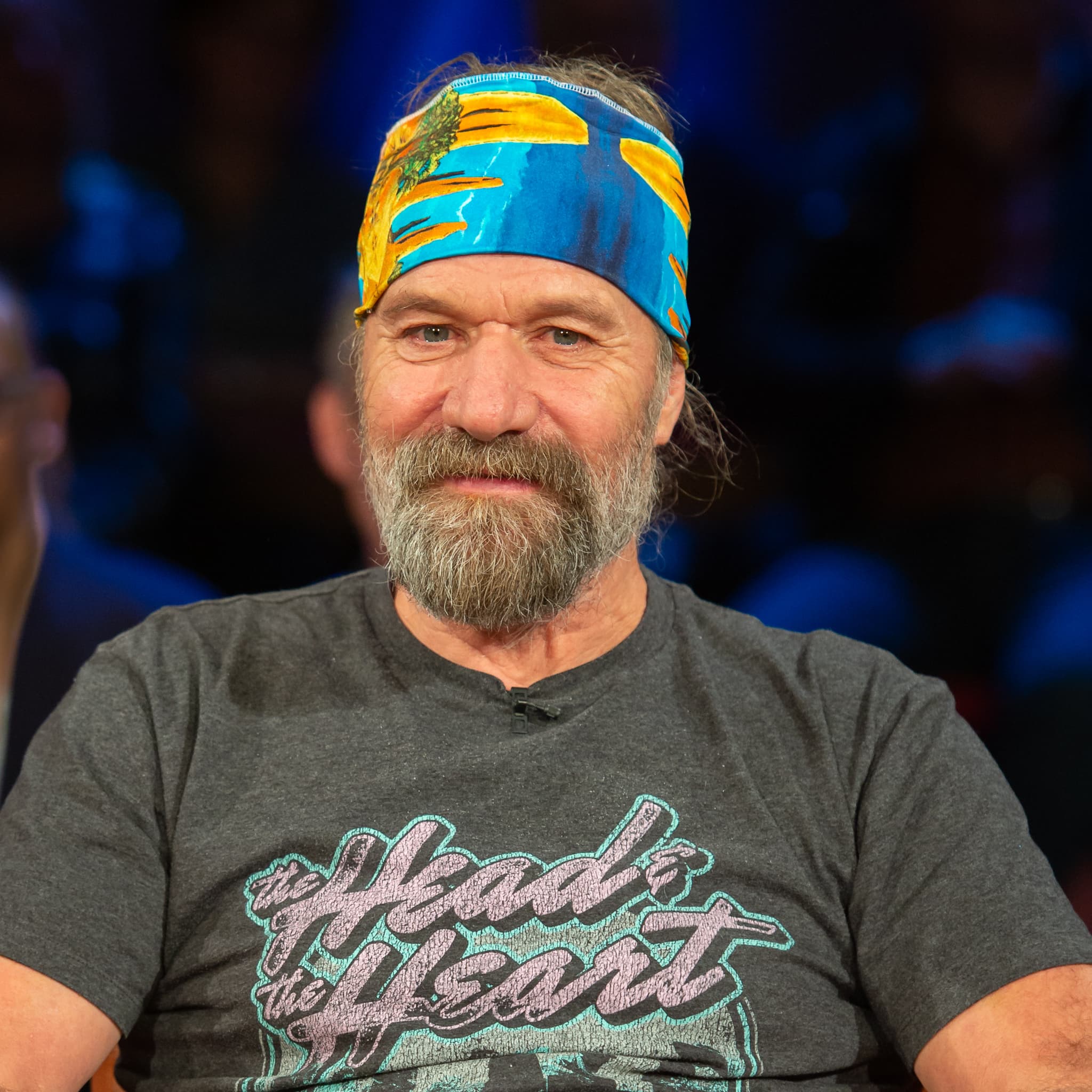
Sergey Bubnovsky
Professor & Pioneer of Kinesitherapy
Professor Sergey Mikhailovich Bubnovsky is a Doctor of Medical Sciences specializing in rehabilitation and anesthesiology, and the creator of kinesitherapy — a patented system of treating musculoskeletal disease through movement that has grown from a single clinical practice into a global network of over sixty medical centers across Russia, Ukraine, Finland, Montenegro, the United States, India, Ireland, Cyprus, Kazakhstan, Uzbekistan, and Belarus. His central thesis, "movement is life," has become one of the most recognized health aphorisms in the Russian-speaking world, and his method represents one of the most systematic challenges to the pharmaceutical and surgical approach to pain that has emerged from post-Soviet medicine.
Overview
Bubnovsky developed his method over more than thirty years, drawing from the deep well of Russian sports science and physical culture while adding his own clinical innovations. His system is built on a progressive conclusion that has guided his entire career: a person is able to help their musculoskeletal system independently, through correct movements, without reliance on medications, injections, or surgical intervention. This position places him in direct opposition to conventional orthopedic and neurological practice, which typically manages chronic spine and joint conditions through pain medication, anti-inflammatories, corticosteroid injections, and eventually surgery — interventions that Bubnovsky argues treat symptoms while leaving the underlying muscular dysfunction untreated.
The Kinesitherapy Method
Bubnovsky's kinesitherapy operates through specially designed exercise programs performed on his patented Multifunctional Training Machines (MTB) — equipment designed with decompression and antigravity functions that allow patients to perform therapeutic movements without the compressive loading that makes conventional exercise painful or dangerous for people with disc pathology, arthritis, or post-surgical conditions.
The method begins with a comprehensive biomechanical assessment that identifies the specific muscular weaknesses, restrictions, and compensatory patterns driving the patient's condition. From this assessment, an individualized exercise prescription is developed that targets the deep, small muscles that stabilize the spine and joints — muscles that are typically inaccessible through conventional exercise and that become weak and atrophied through sedentary living, pain avoidance, and the muscular guarding patterns that chronic pain produces.
Treatment progresses through stages: initial decompression work to reduce acute pain and restore basic movement capacity, followed by targeted strengthening of the stabilizing musculature, and eventually functional rehabilitation that restores the patient's ability to perform daily activities, sports, and physical labor without pain or restriction.
Cold Water Therapy
A distinctive element of Bubnovsky's protocol is his advocacy of cold water immersion as a therapeutic practice. He recommends cold baths and cold water dousing as tools for reducing inflammation, improving circulation, building stress resilience, and activating the body's natural recovery mechanisms. This recommendation draws from both the Russian tradition of cold water bathing — "walrus swimming" and ice hole dipping have deep cultural roots — and from the physiological evidence that cold exposure activates the sympathetic nervous system, releases norepinephrine, reduces inflammatory markers, and improves immune function.
Bubnovsky integrates cold exposure with his exercise programming, often recommending brief cold water immersion after training sessions to accelerate recovery and enhance the anti-inflammatory effects of the movement therapy.
Conditions Treated
The Bubnovsky method addresses a comprehensive range of musculoskeletal conditions: osteochondrosis, intervertebral disc herniation, arthritis and arthrosis of major joints, scoliosis and other spinal deformities, post-surgical rehabilitation, post-traumatic recovery, and the chronic pain syndromes that resist conventional medical management. His clinical outcomes data, collected across decades of practice in his center network, demonstrate significant improvements in pain levels, functional capacity, and quality of life for patients who had previously exhausted pharmaceutical and surgical options.
The Ten Foundational Exercises
For the general public, Bubnovsky has distilled his clinical method into accessible exercise programs that can be performed at home. His "basic ten exercises" target the major joints and movement patterns — squats for knee and hip health, push-ups for shoulder and upper body function, leg raises for core stability, back extensions for spinal strength, and stretching sequences for flexibility maintenance. These simplified programs, published in his bestselling books and widely shared online, serve as an entry point to the kinesitherapy philosophy for people who cannot access his clinical centers.
What Makes It Unique
Bubnovsky's protocol is unique in its institutional scale and clinical validation. While many movement therapists and physical culturists advocate exercise over medication, few have built an international network of medical centers where their method is practiced under clinical supervision with documented outcomes. His patented MTB equipment represents genuine technological innovation in rehabilitation, and his integration of cold water therapy with movement-based treatment creates a distinctive therapeutic system. In the context of Russian healthcare — where chronic pain is widespread, pharmaceutical management is the default approach, and access to quality physical therapy is inconsistent — Bubnovsky's kinesitherapy network represents one of the most significant alternative treatment systems in the post-Soviet medical landscape.
Recommended Products
Cold Plunge Tub
devices
Magnesium (Threonate/Glycinate)
supplements
Omega-3 Fish Oil (High EPA)
supplements
Collagen Peptides
supplements
Vitamin D3 (5000 IU)
supplements
Bone Broth
foods
Turmeric / Curcumin
supplements
Vitamin C
supplements
Links may earn us a commission at no extra cost to you.
Compare Sergey Bubnovsky With...
Get More Protocol Breakdowns
Weekly deep dives into longevity protocols, product reviews, and the latest research — delivered to your inbox.