Sadhguru's Yogic Longevity Protocol
A yoga-based longevity system built on Hatha yoga practices, the 21-minute Shambhavi Mahamudra meditation, sattvic vegetarian nutrition, intermittent fasting, and the principle that longevity is a byproduct of a well-calibrated inner system.
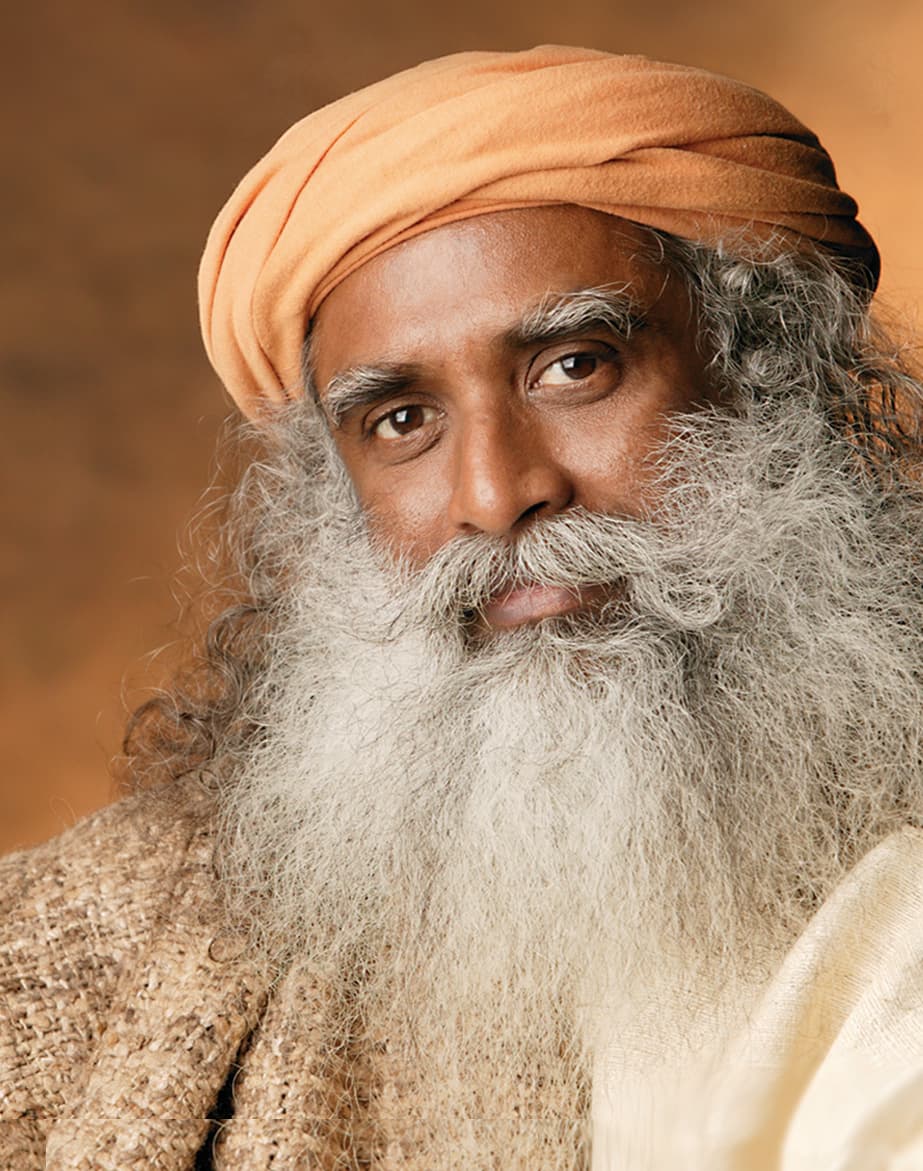
🇮🇳Sadhguru
Yogi, Mystic & Founder of Isha Foundation
Sadhguru Jaggi Vasudev, known simply as Sadhguru, is among the most influential spiritual figures alive, with over twelve million YouTube subscribers and a global following that spans continents, cultures, and demographics. He is the founder of the Isha Foundation, a nonprofit that operates yoga centers, environmental initiatives, and educational programs worldwide. Unlike most figures in the longevity space, Sadhguru does not approach health as a problem to be optimized or aging as an enemy to be defeated. His framework is rooted in the classical yogic tradition, which views the human body as an instrument of consciousness and longevity as a natural consequence of living in alignment with the fundamental intelligence of life itself.
Overview
Sadhguru's protocol cannot be understood through the lens that Western longevity culture typically applies. He does not track biomarkers, does not recommend blood panels, and is openly critical of the modern obsession with quantifying health. His argument is that the human body is a far more sophisticated system than the analytical mind can fully comprehend, and that the most effective approach to health and longevity is not to micromanage individual variables but to calibrate the entire system — physical, mental, energetic, and experiential — so that it functions at its natural peak.
This perspective is rooted in the yogic understanding of the body as a composite of five dimensions, or koshas: the physical body, the mental body, the energy body, the etheric body, and the bliss body. Health, in this framework, is not the absence of disease but the harmonious functioning of all five dimensions. Disease arises from imbalance, stagnation, or misalignment among these layers, and the yogic practices Sadhguru prescribes are designed to address all of them simultaneously.
While this framework may seem abstract, its practical expression is concrete and disciplined. Sadhguru's personal daily routine involves rigorous yoga practice, a specific meditation technique, a controlled diet, and precise management of sleep and energy — a regimen that at seventy years of age has left him with physical vitality, cognitive sharpness, and a travel and work schedule that would exhaust most people decades younger.
Shambhavi Mahamudra Kriya
The centerpiece of Sadhguru's protocol is the Shambhavi Mahamudra Kriya, a twenty-one-minute meditation practice taught through the Isha Foundation's Inner Engineering program. The practice combines controlled breathing (pranayama), a specific meditative focus, and internal energy activation. Sadhguru describes it as a means of accessing and stabilizing deeper dimensions of experience, but its measurable effects have also attracted scientific attention.
Studies conducted in collaboration with researchers at Indiana University, Harvard Medical School, and Rutgers University have documented significant effects of regular Shambhavi practice on biomarkers associated with health and longevity. Practitioners showed elevated levels of BDNF (brain-derived neurotrophic factor), reduced cortisol, improved inflammatory markers, and enhanced feelings of well-being. A study published in the Journal of Behavioral Medicine found that Shambhavi practitioners showed improvements in mindfulness, emotional regulation, and perceived stress that exceeded those of conventional meditation techniques.
Sadhguru prescribes the practice twice daily — once in the morning and once in the evening — as non-negotiable. He emphasizes that the practice is not about relaxation or stress management but about fundamentally reorganizing the way the human system operates.
Hatha Yoga
Sadhguru is a strong advocate for classical Hatha yoga, which he distinguishes sharply from the exercise-oriented yoga popularized in Western studios. In the yogic tradition, Hatha yoga is a preparatory practice designed to align the body and energy system for deeper meditative states. The Isha Foundation teaches several specific practices.
Surya Kriya is a potent yogic practice derived from the ancient sun salutation sequence but taught as a comprehensive kriya (process) that goes beyond physical movement. It combines postures, breathing, and focused awareness to activate the solar plexus, enhance energy levels, and bring mental clarity. Angamardana is a series of thirty-one physical processes using the body's own weight to strengthen the musculature, build skeletal fitness, and recalibrate the entire system. Upa Yoga consists of simple, accessible practices that can be done anywhere and require no preparation — gentle joint movements, breathing exercises, and energy-activating techniques.
Sadhguru recommends a minimum of one Hatha yoga session daily, ideally in the early morning before breakfast. He emphasizes that these practices should be learned from trained instructors, as incorrect practice can cause harm, and that consistency over intensity is the key principle.
Sattvic Diet and Fasting
Sadhguru recommends a vegetarian diet aligned with the Ayurvedic concept of sattva — foods that promote clarity, lightness, and balanced energy. Sattvic foods include fresh vegetables, fruits, whole grains, legumes, nuts, seeds, dairy in moderation, and spices like turmeric and ginger. Foods classified as tamasic (promoting heaviness and lethargy, such as meat, overly processed foods, and stale or reheated meals) and rajasic (promoting agitation, such as excessively spicy or stimulating foods) are minimized or avoided.
He recommends eating two meals per day rather than three, with a gap of six to eight hours between meals and no eating within two to three hours of sleep. This natural intermittent fasting pattern allows the body to complete digestion and enter a resting state before sleep, which he considers essential for both physical restoration and the quality of sleep itself.
Ashwagandha and turmeric are the primary supplemental recommendations, both deeply rooted in the yogic and Ayurvedic tradition. Green tea is permitted as a light, sattvic beverage. Sadhguru is otherwise skeptical of supplementation, arguing that a well-functioning digestive system extracting nutrients from whole, fresh food is superior to any supplement regimen.
Sleep and Energy Management
Sadhguru's approach to sleep is unconventional. He argues that the amount of sleep required is a function of the body's level of restfulness during waking hours — that a person whose system is well-calibrated through yoga and meditation requires significantly less sleep than a person carrying chronic muscular tension, mental agitation, and energetic imbalance. He personally reports sleeping three to four hours per night, though he does not prescribe this for others, acknowledging that most people require six to eight hours.
He recommends sleeping with the head pointing east or north, based on the yogic understanding that the body's orientation relative to the earth's magnetic field influences the quality of sleep and recovery. The practical emphasis is on sleep quality rather than quantity — deep, uninterrupted sleep in a cool, dark, quiet environment.
What Makes It Unique
Sadhguru's protocol is unique because it reframes the entire longevity question. Rather than asking "how do I live longer?" it asks "how do I live fully?" — with the understanding that a human system operating at its natural peak, free from the friction of physical misalignment, mental turbulence, and energetic stagnation, naturally expresses vitality and resilience. His framework offers the longevity conversation something it desperately needs: a perspective that is not driven by fear of death but by a commitment to the full expression of human potential, grounded in a tradition that has been refining its methods for thousands of years.
Recommended Products
Turmeric / Curcumin
supplements
Ashwagandha (KSM-66)
supplements
Green Tea (Matcha)
foods
Grass-Fed Ghee
foods
Raw Honey
foods
Fermented Foods (Kimchi, Sauerkraut, Kefir)
foods
Chia Seeds
foods
Extra Virgin Olive Oil
foods
Links may earn us a commission at no extra cost to you.
Compare Sadhguru With...

Get More Protocol Breakdowns
Weekly deep dives into longevity protocols, product reviews, and the latest research — delivered to your inbox.