Deepak Chopra's Mind-Body Longevity Protocol
A mind-body longevity protocol integrating Primordial Sound Meditation, Ayurvedic dosha-based nutrition, yoga, pranayama breathing, and consciousness practices to reverse biological aging from the inside out.
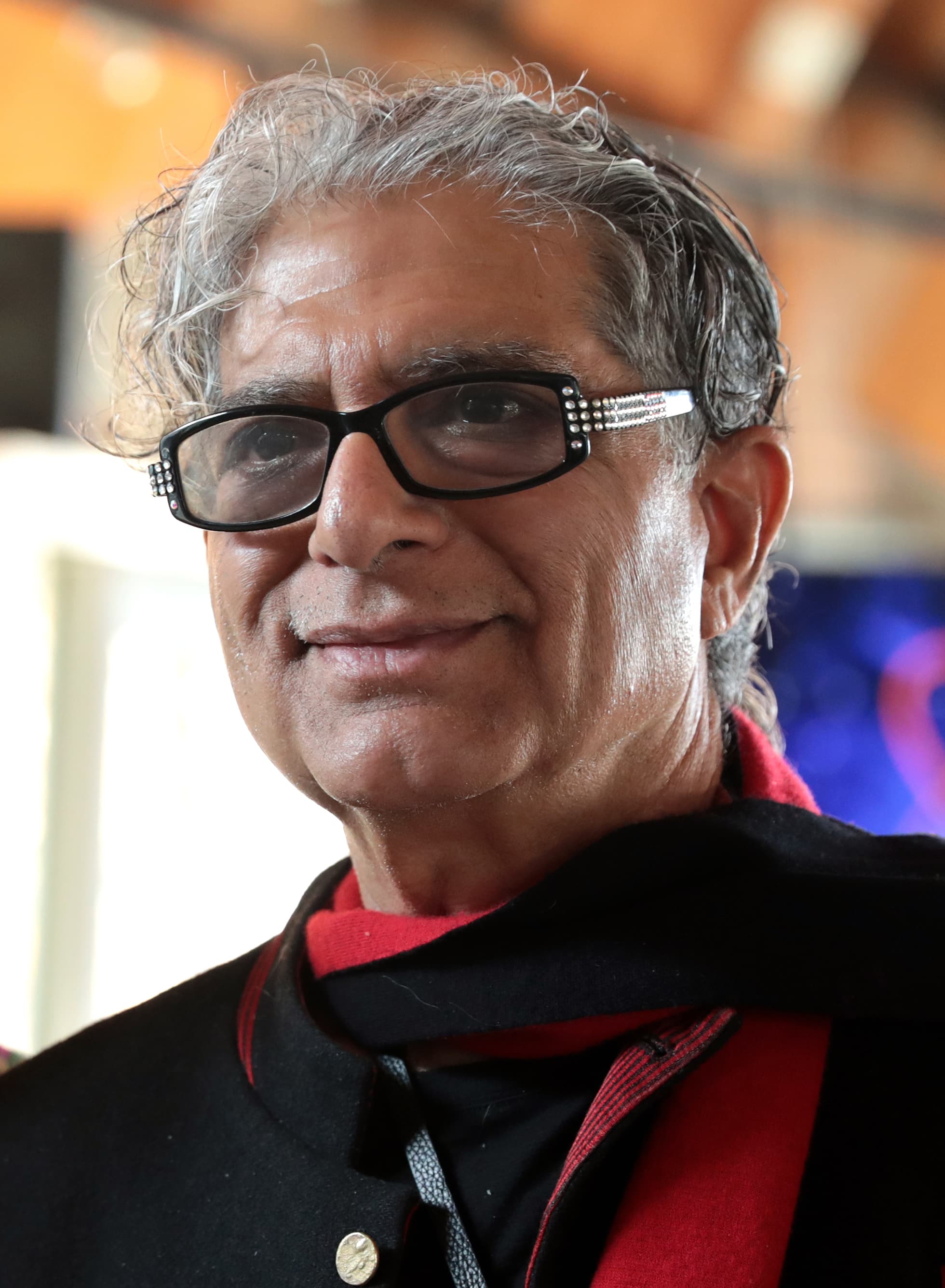
🇮🇳Deepak Chopra
Integrative Medicine Pioneer & Author
Deepak Chopra is arguably the most globally recognized figure in mind-body medicine, a physician, author of over ninety books, and the founder of the Chopra Center for Wellbeing. Trained as an endocrinologist in India and the United States, Chopra departed from conventional medicine in the late 1980s to pioneer an integrative approach that draws on Ayurvedic medicine, meditation science, and what he describes as the quantum mechanical body — the idea that consciousness itself is the primary driver of physical health and biological aging. His 1993 bestseller *Ageless Body, Timeless Mind* sold millions of copies worldwide and laid the intellectual groundwork for a longevity philosophy that places awareness, intention, and inner transformation at the center of the aging equation.
Overview
Chopra's protocol operates from a fundamentally different premise than most longevity frameworks. Where protocols like Bryan Johnson's Blueprint or Peter Attia's Outlive approach aging as a biological engineering problem to be solved through data, supplementation, and metabolic optimization, Chopra argues that the body is an expression of consciousness and that biological aging is significantly influenced by perception, belief, emotional patterns, and the quality of one's inner life. He does not dismiss the physical dimension — his recommendations include specific dietary, exercise, and supplement guidance — but he positions these as secondary to the transformative power of meditation, self-awareness, and what he calls "radical well-being."
This perspective has made Chopra both one of the most influential and most criticized voices in wellness. Skeptics challenge his use of quantum physics as metaphor, while supporters point to the growing body of research linking meditation, stress reduction, and psychological well-being to measurable biomarkers of aging, including telomere length, inflammatory markers, and epigenetic age.
Primordial Sound Meditation
The cornerstone of Chopra's protocol is daily meditation, specifically the Primordial Sound Meditation technique he developed based on Vedic traditions. Practitioners receive a personal mantra derived from the vibrational sound the universe was making at the time and place of their birth — a concept rooted in Vedic cosmology. The practice involves two daily sessions of twenty to thirty minutes, sitting with eyes closed and silently repeating the mantra to transcend surface-level thought and access what Chopra describes as pure awareness.
He cites research demonstrating that regular meditation practice reduces cortisol, lowers blood pressure, improves heart rate variability, decreases systemic inflammation, and may slow cellular aging by preserving telomere length. A collaborative study between the Chopra Center and researchers at the University of California, San Diego found that a six-day meditation retreat produced rapid, measurable changes in gene expression related to immune function, inflammation, and stress response — changes that persisted for months after the retreat ended.
Ayurvedic Nutrition
Chopra's dietary recommendations are rooted in Ayurvedic principles, beginning with the concept of doshas — the three fundamental constitutional types (Vata, Pitta, and Kapha) that determine an individual's optimal diet, exercise pattern, and daily routine. Rather than prescribing a single diet for all people, Ayurvedic nutrition matches food choices to individual constitution. A Vata-dominant individual benefits from warm, grounding, oily foods, while a Pitta type thrives on cooling, less spicy fare, and Kapha constitutions do best with lighter, more stimulating foods.
Across all dosha types, Chopra emphasizes several universal principles: eating freshly prepared food over processed or reheated meals, favoring organic and seasonal produce, eating the largest meal at midday when digestive fire is strongest, and practicing mindful eating — sitting down, eating without distraction, chewing thoroughly, and stopping before the sensation of fullness. He advocates for a predominantly plant-based diet rich in vegetables, whole grains, legumes, nuts, seeds, and spices, with animal products consumed in moderation based on individual constitution.
Turmeric, used liberally in cooking and as a supplement, is recommended for its anti-inflammatory and neuroprotective properties. Ashwagandha is prescribed as a daily adaptogen for stress resilience, hormonal balance, and sleep quality. Green tea serves as the preferred caffeinated beverage for its catechin content and calming L-theanine.
Yoga and Pranayama
Chopra prescribes daily yoga practice not as exercise but as a moving meditation that integrates body, breath, and awareness. He recommends a balanced practice combining asanas (postures) for flexibility and strength, pranayama (breathing exercises) for nervous system regulation, and yoga nidra (yogic sleep) for deep restoration.
Pranayama breathing techniques hold particular importance in his protocol. Nadi shodhana (alternate nostril breathing) is practiced daily to balance the sympathetic and parasympathetic nervous systems. Ujjayi breath (ocean breath) accompanies yoga practice to maintain focused awareness. He points to research showing that structured breathing practices activate the vagus nerve, reduce anxiety, improve heart rate variability, and enhance the body's capacity for self-regulation.
Sleep and Daily Rhythms
Chopra's protocol aligns daily routines with circadian and Ayurvedic rhythms. He recommends rising before six in the morning, beginning the day with meditation, and following a consistent daily schedule that mirrors natural light cycles. Evening rituals include a technology curfew at least one hour before bed, a warm bath or self-massage with sesame oil (abhyanga), gentle stretching, and a gratitude practice — listing five things to be grateful for before sleep.
Magnesium supplementation supports sleep quality and nervous system function. He recommends against sleep medications, arguing that they suppress the natural sleep architecture necessary for cellular repair and memory consolidation.
Supplementation Philosophy
Chopra's supplement recommendations are modest compared to many longevity protocols, reflecting his belief that the primary drivers of health are consciousness, diet, and lifestyle rather than biochemical intervention. Omega-3 fatty acids support brain health and reduce inflammation. Probiotics maintain gut microbial balance, which he connects to both digestive health and emotional well-being through the gut-brain axis. Magnesium addresses widespread deficiency and supports hundreds of enzymatic reactions. Ashwagandha and turmeric serve dual roles as both Ayurvedic staples and scientifically validated compounds.
What Makes It Unique
Deepak Chopra's protocol is unique because it places consciousness at the foundation of longevity — a position that is increasingly supported by research into the biological effects of meditation, psychological stress, and subjective well-being on aging biomarkers. While his metaphysical language draws criticism from materialist scientists, the practical components of his protocol — daily meditation, Ayurvedic nutrition, yoga, pranayama, sleep hygiene, and stress management — represent an integrated system with a growing evidence base. His global influence, spanning decades and reaching hundreds of millions of people across cultures and languages, has made the mind-body connection an inescapable part of the longevity conversation, even among those who approach it from a purely mechanistic perspective.
Recommended Products
Ashwagandha (KSM-66)
supplements
Turmeric / Curcumin
supplements
Grass-Fed Ghee
foods
Green Tea (Matcha)
foods
Probiotics (Multi-Strain)
supplements
Omega-3 Fish Oil (High EPA)
supplements
Magnesium (Threonate/Glycinate)
supplements
Vitamin D3 (5000 IU)
supplements
Mixed Berries (Blueberries, Blackberries)
foods
Fermented Foods (Kimchi, Sauerkraut, Kefir)
foods
Links may earn us a commission at no extra cost to you.
Compare Deepak Chopra With...


Get More Protocol Breakdowns
Weekly deep dives into longevity protocols, product reviews, and the latest research — delivered to your inbox.