Dr. Brad Stanfield's Evidence-Based Longevity Protocol
A rigorously evidence-graded longevity protocol that evaluates supplements and interventions against clinical trial data, emphasizing exercise, sleep, and only those compounds with strong human evidence for extending healthspan.

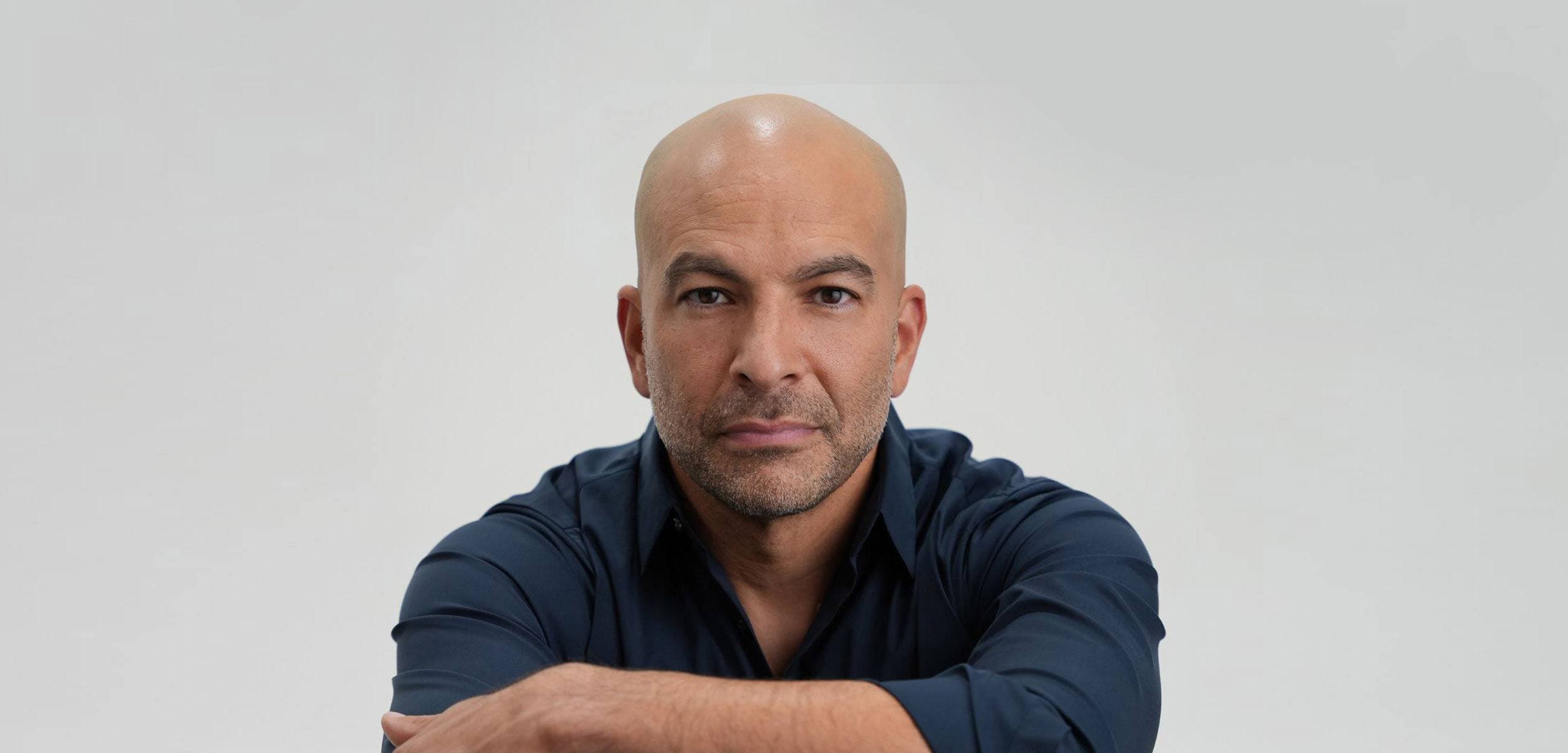
🇳🇿Dr. Brad Stanfield
GP & Evidence-Based Longevity Researcher
Dr. Brad Stanfield is a New Zealand-based General Practitioner who has become one of the most trusted voices in evidence-based longevity through his YouTube channel and research reviews. What distinguishes Stanfield from the majority of longevity influencers is his willingness to change his mind publicly when new evidence contradicts his previous positions. He has reversed recommendations on popular supplements, called out overhyped interventions, and consistently holds the longevity space to the standard of randomized controlled trials rather than mechanistic speculation or animal model extrapolation.
Overview
Stanfield's approach to longevity begins with a fundamental hierarchy: lifestyle interventions first, supplements second, and pharmaceutical interventions only when supported by robust human clinical data. He argues that the longevity community has an unfortunate tendency to fixate on novel molecules while neglecting the interventions with the strongest evidence base — namely exercise, sleep, and dietary quality. His protocol reflects this priority ordering, with the majority of his health optimization built on behavioral foundations rather than a supplement stack.
His YouTube channel, which has grown to a substantial following in the longevity community, systematically reviews clinical trials and meta-analyses on popular longevity compounds. Each video breaks down study design, sample size, endpoints, and limitations with a rigor unusual for the platform. This approach has made him a counterweight to the hype cycles that frequently sweep through the longevity supplement market.
Exercise as the Foundation
Stanfield identifies exercise as the single most powerful longevity intervention available, citing meta-analyses showing that regular physical activity reduces all-cause mortality by twenty-five to thirty-five percent — an effect size that no supplement or drug has matched. His exercise protocol combines two modalities he considers non-negotiable: zone two cardiovascular training and resistance training.
Zone two cardio — sustained effort at a conversational pace — is recommended for a minimum of one hundred fifty minutes per week, ideally spread across four to five sessions. This intensity targets mitochondrial function, metabolic flexibility, and cardiovascular efficiency. Stanfield references research showing that zone two training specifically improves mitochondrial density and fat oxidation capacity, both of which decline with age and correlate with metabolic disease risk.
Resistance training is recommended three times per week, focusing on compound movements that load the major muscle groups. Stanfield emphasizes the evidence linking muscle mass and strength to reduced mortality, improved metabolic health, and maintained functional independence in later decades. He views sarcopenia — age-related muscle loss — as one of the most significant and preventable contributors to frailty and reduced healthspan.
Sleep Optimization
Stanfield treats sleep as the second most important pillar, noting that chronic sleep restriction is associated with accelerated biological aging, impaired immune function, increased Alzheimer's disease risk, and metabolic dysfunction. His sleep recommendations are evidence-based and practical: consistent sleep and wake times, seven to eight hours of opportunity, cool and dark sleeping environment, no caffeine after early afternoon, and limited alcohol consumption.
He recommends magnesium supplementation in the evening based on evidence suggesting modest benefits for sleep quality, particularly in populations with suboptimal magnesium intake — which epidemiological data suggests includes a significant portion of Western populations. He is careful to note that magnesium is not a sleep drug but rather a nutritional foundation that supports normal nervous system function.
Evidence-Graded Supplement Stack
Stanfield's supplement recommendations are notable for what they exclude as much as what they include. He grades supplements on a spectrum from strong evidence to insufficient evidence, and he is transparent about where each compound falls. His current stack, which evolves as new data emerges, includes several key components.
Vitamin D supplementation is recommended broadly, particularly for individuals living at higher latitudes or with limited sun exposure. He cites meta-analyses showing modest but consistent reductions in all-cause mortality with vitamin D supplementation, particularly in deficient populations. He recommends blood testing to guide dosing rather than fixed high-dose protocols.
Omega-3 fish oil is included based on cardiovascular outcome data, particularly the REDUCE-IT trial and subsequent analyses. He recommends a dose providing at least one gram of combined EPA and DHA daily, with a preference for higher EPA formulations based on the cardiovascular trial data.
Creatine monohydrate is a recommendation that reflects Stanfield's attention to emerging evidence. Beyond its well-established benefits for muscle performance, he cites growing research on creatine's neuroprotective properties, cognitive benefits in aging populations, and potential roles in cellular energy metabolism that extend beyond athletic performance.
NAD+ precursors represent an area where Stanfield has notably shifted his position. He initially recommended NMN supplementation based on promising animal data and mechanistic plausibility. However, after reviewing the results of human clinical trials that showed mixed results and limited evidence of meaningful biological age reversal, he publicly revised his recommendation downward. He now characterizes NAD+ precursors as potentially beneficial but far from proven, and he emphasizes that the animal model results have not consistently translated to humans.
Probiotics are included with the caveat that strain specificity matters significantly. He recommends evidence-backed strains rather than generic probiotic blends, noting that the gut microbiome research space is still maturing and that broad claims about probiotics often outrun the clinical evidence.
Collagen peptides have become one of Stanfield's more confidently endorsed supplements, with consistent coverage across multiple videos. He cites randomized controlled trials demonstrating improvements in skin elasticity, hydration, and joint comfort at doses of five to fifteen grams daily. He notes that while the mechanism — whether collagen peptides act as building blocks or as signaling molecules — remains debated, the clinical outcome data is surprisingly robust for a supplement category often dismissed as cosmetic.
Vitamin K, particularly K2 in the MK-7 form, is recommended for its role in directing calcium into bones and away from arterial walls. Stanfield references evidence linking vitamin K2 status to reduced arterial calcification and improved bone mineral density, and he considers it a logical complement to his vitamin D and calcium recommendations. He typically suggests doses in the range of one hundred twenty to one hundred eighty micrograms daily.
Melatonin is included at a notably low dose — typically three hundred to five hundred micrograms — well below the milligram-level doses found in most commercial products. Stanfield has discussed the evidence showing that physiological doses more closely mimic the body's natural production and avoid the grogginess and potential receptor desensitization associated with higher doses. He views melatonin as a sleep onset aid and a potent antioxidant with emerging evidence for broader anti-aging effects.
CoQ10 (ubiquinone) appears in Stanfield's discussions of mitochondrial support, particularly for individuals over forty when natural production declines. He acknowledges the evidence base is not as strong as for his top-tier recommendations but considers it a reasonable addition given its role in cellular energy production and its favorable safety profile.
Glycine is recommended primarily for its role in collagen synthesis and sleep quality improvement. Stanfield cites studies showing that three grams of glycine before bed can improve subjective sleep quality and reduce daytime fatigue, and he notes its contribution to glutathione production — the body's primary endogenous antioxidant.
What He Rejects
Equally important to Stanfield's protocol is his explicit rejection of popular longevity interventions that lack adequate human evidence. He has been critical of resveratrol supplementation, noting that human trial data has been disappointing despite the compound's fame from David Sinclair's early research. He has expressed skepticism about off-label metformin use for longevity in non-diabetic populations, arguing that the TAME trial results are needed before responsible recommendation. Rapamycin for longevity in healthy humans is another area where he urges caution, acknowledging the compelling animal data but emphasizing the absence of completed human longevity trials and the known immunosuppressive risks.
What Makes It Unique
Dr. Brad Stanfield's protocol is unique in the longevity space precisely because of its intellectual honesty and restraint. In a field prone to enthusiasm bias — where influencers often maintain recommendations long after contradicting evidence emerges — Stanfield treats changing his mind as a feature, not a failure. His public reversals on NMN and other compounds have cost him audience members who wanted confirmation rather than accuracy, but they have cemented his reputation as one of the most trustworthy evaluators of longevity science.
His protocol demonstrates that evidence-based longevity does not require a complicated or expensive regimen. The foundation is exercise and sleep — free interventions available to nearly everyone — supplemented by a modest, evidence-graded stack of well-studied compounds. For anyone overwhelmed by the noise in the longevity space, Stanfield offers a disciplined signal.
Recommended Products
NAD+ Precursor (NMN/NR)
supplements
Vitamin D3 (5000 IU)
supplements
Omega-3 Fish Oil (High EPA)
supplements
Creatine Monohydrate
supplements
Magnesium (Threonate/Glycinate)
supplements
Probiotics (Multi-Strain)
supplements
Collagen Peptides
supplements
Vitamin K2 (MK-7)
supplements
Melatonin (Low Dose)
supplements
CoQ10 (Coenzyme Q10)
supplements
Glycine
supplements
Links may earn us a commission at no extra cost to you.
Compare Dr. Brad Stanfield With...



Get More Protocol Breakdowns
Weekly deep dives into longevity protocols, product reviews, and the latest research — delivered to your inbox.